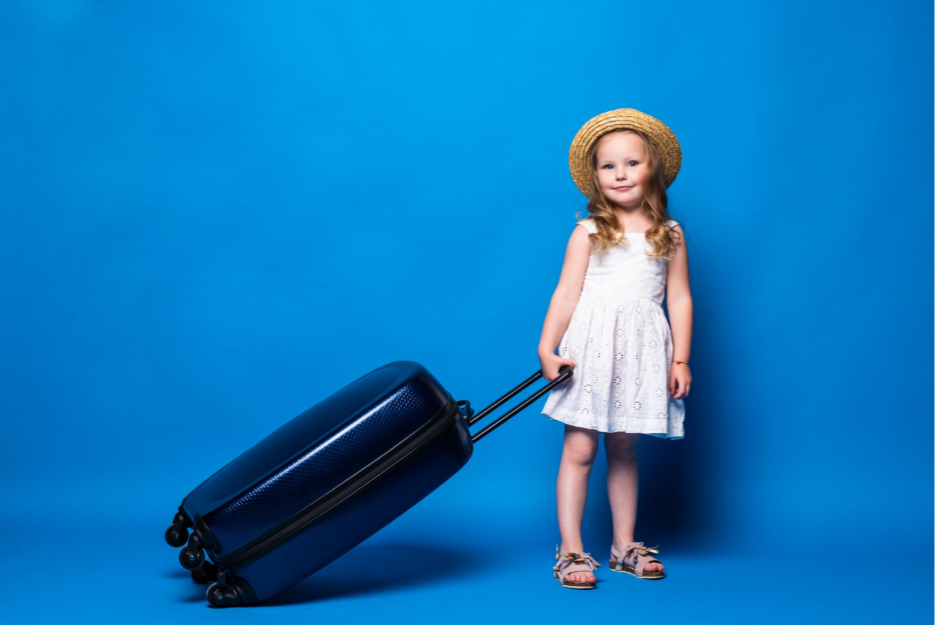
Family trips can be exciting, but packing for children often takes more planning than expected. You need enough space for clothes, shoes, snacks, and favorite toys, yet bulky suitcases can be difficult to manage in busy airports or train stations. Children may also struggle with heavy bags, tangled handles, or luggage that is hard to roll. These small problems can make travel stressful before the journey even begins.
The right suitcase can make a big difference. Lightweight materials, smooth wheels, useful compartments, and easy-to-handle designs help children take part in packing while making family travel more manageable.
That said, let’s explore five important features that you as a parent should look for when choosing luggage for your children.
1. Choose a Lightweight Design and the Right Size
When making a comparison between kids luggage, start with the weight and the size of the suitcase. Children might wish to handle their own bags, but a bulky case can become tiring. Lightweight design will help them move their belongings without having to be assisted by an adult at all times.
Next, consider your child’s age, height, and strength. A small suitcase can be an effective one for a weekend visit, whereas a long holiday might need extra space. However, a larger bag is not always better. If it becomes difficult to lift, pull, or store, it can make travel less convenient.
Moreover, larger cases offer additional space in case of long holidays. Therefore, before purchasing, verify the weight of the bag, size, and the airline’s baggage capacity.
2. Look for Durable Materials and Reliable Construction
Children’s suitcases are frequently harshly handled. They can be dragged over uneven floors, hit against walls, or placed on other bags during transit. Hence, good materials and construction are important when choosing luggage that can handle regular family travel.
Hard-shell suitcases are also useful for ensuring that packed items are not damaged by daily knocks. Materials like ABS and polycarbonate blends are popular choices, providing a balance between strength and weight. However, the design and quality of construction of the shell and the manner of use of the suitcase influence durability.
Pay attention to smaller details, as well. The zippers must be easy to open and close securely, but handles must be firm to the touch when stretched or lifted. Check the corners, seams, and wheel attachments to detect poor construction.
You should also consider the warranty before making a purchase. A clear warranty can offer reassurance if a covered component fails. However, make sure to read its terms since accidental damage and normal wear may not be covered. The selection of high-quality luggage can help minimize more frequent changes and simplify family travel in the long run.
3. Check the Wheels and Handle Design
The problem with transporting luggage in a crowded airport is more difficult when the wheels get stuck or the handle does not feel comfortable. For children, these small problems can make a suitcase difficult to control. Therefore, look for wheels that turn smoothly and handles that fit your child’s height.
Four-wheel spinner suitcases can move around in different directions and are useful in airports, hotels, and other indoor areas. They enable children to push a bag beside them rather than dragging it behind them all the time. However, the quality of the wheels is equally important as the design. Ensure the wheels rotate freely and remain stable when the case is full.
The handle also deserves attention. An adjustable telescopic handle allows children of different heights to use the same suitcase comfortably. It should stretch out, fasten, and offer a strong grip. It should have a strong top handle, which can help while lifting the bag into a car or a luggage rack.
4. Prioritize Storage and Easy Organization
A suitcase with enough space is useful, but good organization makes packing much simpler. Children usually pack toys, clothes, shoes, and other personal belongings. With no separate storage areas, it can take half the bag to unpack to find a single small item.
Find luggage that has internal pockets, zippered areas, and partitions. These features help keep smaller belongings in place and separate different types of items. For example, socks and underwear can be in one section, everyday clothes in another, and small toys in a pocket.
Water bottle holders are also useful, especially when traveling long distances. They provide kids with an easy way to store a bottle rather than squeeze it between clothes. However, make sure that the holder fits the bottle your child carries.
You can make these features more useful by giving every item a designated place. Keep travel papers and basic medicines with adults while allowing the children to pack their own clothes and toys. This approach will save time when you are in a hurry and will teach children to pack better.
5. Consider Safety, Practical Features, and Long-Term Value
A suitcase should make travel easier without creating new problems. Therefore, consider how safely your child can handle it, how easily you can identify it, and whether it will remain useful as your child grows.
Start by checking the handles, corners, zippers, and other parts that children touch frequently. They should feel secure and operate without excessive force. Avoid designs with sharp edges or loose components that could catch on clothing. Also, remember that children should not ride on or stand on ordinary suitcases, even if the shell appears sturdy.
Next, consider the suitcase’s appearance. Bright colors, distinctive patterns, and easy-to-recognize designs help children identify their bags among similar cases. This is especially useful for baggage claims or when several family members travel together. Letting your child help choose the design can also make them more interested in caring for their belongings.
Finally, think about long-term value. A luggage set with different sizes may suit changing travel needs better than a single large suitcase. A warranty can also provide added confidence, provided you understand what it covers. Compare the total weight, storage capacity, construction, and useful features rather than choosing based on appearance or price alone.
Conclusion
Choosing the right children’s luggage can make family travel more comfortable and organized. Lightweight construction, durable materials, smooth wheels, practical storage, and child-friendly features all help make a difference.
However, the best choice depends on your child’s age, strength, and travel needs. Before buying, compare the suitcase’s weight, dimensions, ease of use, and warranty.
With these details in mind, you can choose luggage that helps your child manage their belongings while making trips easier for the whole family.