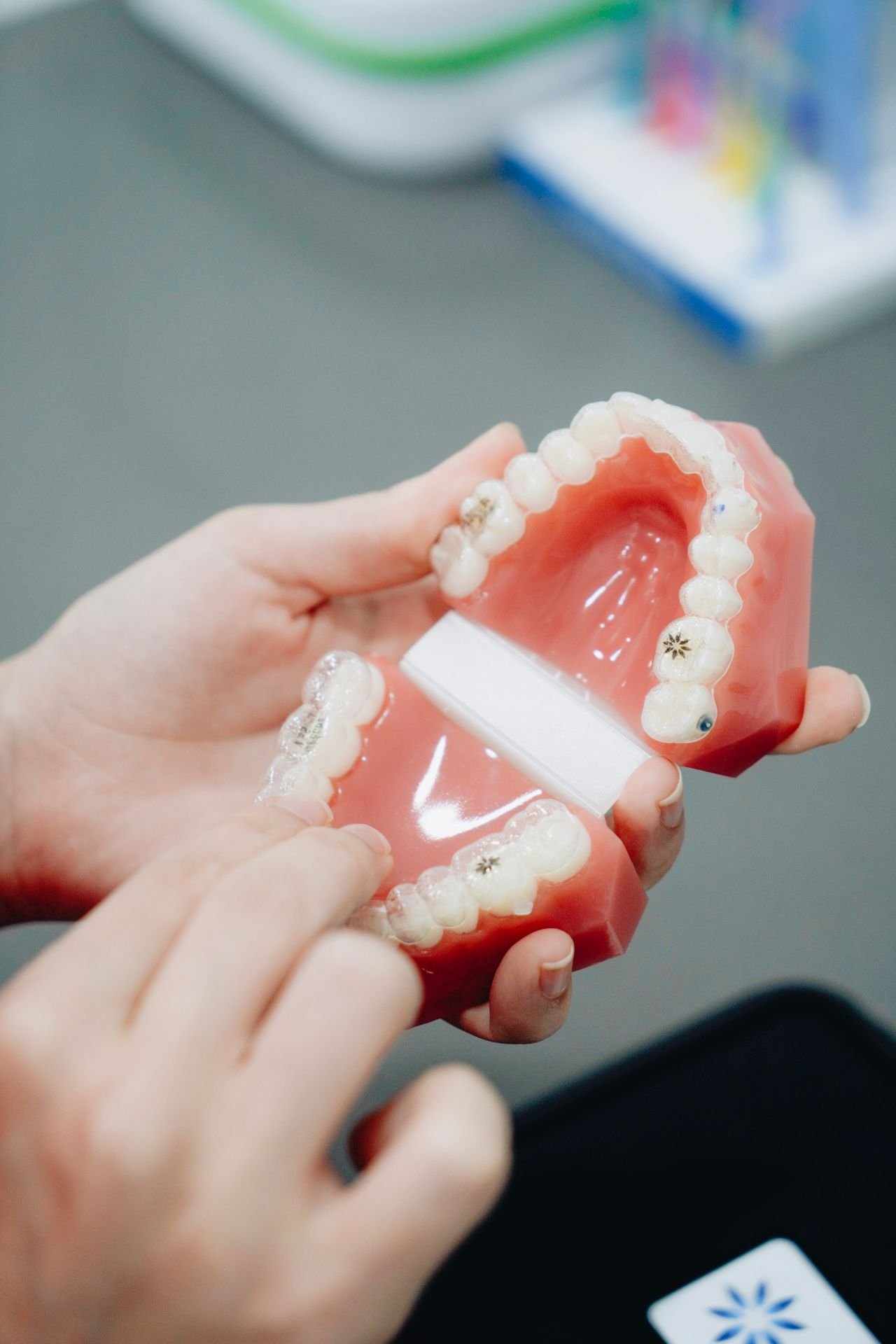
In dentistry, a smile may be the most visible result, but the experience behind it often determines whether a patient returns, recommends a practice or remembers its name years later. In Australia’s increasingly digital healthcare environment, orthodontic businesses face a challenge that extends beyond clinical expertise: translating professional capability into a recognisable, trustworthy brand.
Patients researching treatment today can encounter countless websites, social media advertisements and competing service providers before booking an appointment. Standing out requires more than an attractive logo or a modern clinic interior. It requires a clear identity, consistent communication and a patient experience that reflects the promises made through marketing.
For contemporary dental entrepreneurs, branding is not simply a promotional exercise. It is the process of showing people what a practice values, how it works and why its approach deserves consideration.
Why Branding Matters in Modern Orthodontics
The field of orthodontics combines clinical precision with deeply personal motivations. Patients may seek treatment to improve their bite, address crowding, support oral function or feel more comfortable with their appearance. Their expectations, budgets and concerns can differ considerably.
A recognisable brand helps a practice communicate with these different audiences without losing its identity. One clinic might focus on family-friendly care, another on comprehensive orthodontic treatment for adults, and another on providing clear explanations and flexible appointment options. Each approach can appeal to different patients when it accurately reflects the services offered.
The key is consistency. A practice’s website, reception area, appointment reminders and professional communications should feel connected. If an advertisement promises personalised attention but the enquiry process is confusing or impersonal, the brand loses credibility.
Strong branding therefore begins with a fundamental question: what should patients understand and experience whenever they interact with this business?
Answering that question provides a foundation for decisions about visual design, communication style, service standards and marketing investment.
Understanding the Australian Dental Market
Australian dental businesses operate in a marketplace shaped by local competition, changing consumer expectations and growing reliance on online research. Patients may compare treatment options, investigate practitioner qualifications, read educational material and examine fees before contacting a clinic.
For this reason, a successful brand must communicate relevance as well as professionalism. A family considering orthodontic treatment for a teenager may prioritise treatment suitability, appointment convenience and clear explanations. An adult exploring aligners might be more interested in how treatment fits around work and everyday commitments.
Understanding these motivations allows practices to create useful information rather than relying on generic promotional language.
Local positioning is equally important. A clinic serving Melbourne’s inner suburbs may have different patient expectations from a practice in a growing regional community. Researching local search behaviour, common enquiries and competing services can help a business identify gaps in the information available to prospective patients.
The objective is not to imitate competitors. It is to discover what patients need and communicate how the practice can appropriately meet those needs.
How to Market Your Dental Practice Through Digital Strategy
Understanding how to market your dental practice begins with recognising that visibility and trust are different goals. Visibility helps potential patients discover a clinic, while trust gives them a reason to consider making contact.
A carefully developed digital marketing strategy connects these goals through several complementary activities.
Search engine optimisation can help a practice appear for relevant searches, including location-specific queries such as orthodontic treatment in Melbourne or braces for teenagers in Brisbane. Well-organised service pages, accurate business details and informative articles can help patients understand available services while supporting local search visibility.
Educational content offers another opportunity. Articles explaining orthodontic assessments, treatment timelines, oral hygiene with braces and the differences between available treatment options can answer questions that patients might otherwise struggle to resolve.
Social media can introduce the team, explain clinical processes and share general oral health information. However, its purpose should extend beyond filling a content calendar. Every publication should offer something useful, whether that is a clearer explanation, a practical tip or guidance on preparing for an appointment.
Email reminders and follow-up communications can also support an organised patient journey, provided privacy requirements and appropriate consent are respected.
When these channels work together, marketing becomes a connected system rather than a collection of unrelated campaigns.
Designing a Brand Patients Can Recognise
Visual identity plays an important role in recognition, but effective branding involves more than choosing colours and typography.
A practice should establish a consistent visual style across its website, signage, printed materials and digital communications. Clear layouts, readable text and authentic photography can make information easier to navigate, particularly for people who feel anxious about dental treatment.
Language matters just as much. Explaining clinical concepts in plain English helps patients understand what a procedure involves and which questions they should ask. A welcoming tone can make a practice feel approachable without diminishing the seriousness of professional healthcare.
Accessibility should also be considered. Mobile-friendly websites, straightforward navigation, readable content and convenient enquiry options help reduce unnecessary barriers.
Most importantly, a brand should reflect the real experience patients can expect. Promoting advanced technology, personalised treatment or specialist expertise without accurately representing the practice’s capabilities can undermine confidence. In Australia, dental advertising must also comply with applicable professional and legal requirements, including restrictions on misleading claims and the use of patient testimonials in advertising.
A credible identity is built by communicating genuine strengths, not manufacturing an image that the business cannot sustain.
Turning Patient Experience Into Long-Term Reputation
A recognisable brand becomes meaningful when its promises are supported by everyday interactions.
The first telephone call, the clarity of a treatment explanation, the handling of appointment changes and the quality of follow-up communication can all influence how patients perceive a practice. Small operational details may appear unrelated to marketing, yet they shape the experience people associate with the business.
Dental entrepreneurs can strengthen this experience by reviewing patient enquiries, identifying recurring concerns and improving communication at each stage of the treatment journey.
Useful performance measures include enquiry-to-consultation conversion, appointment attendance, website engagement and the number of enquiries generated through local search. These indicators can help a practice understand whether its marketing is attracting relevant audiences and making it easier for them to take the next step.
Growth should not be measured by website traffic alone. A large audience has limited value if visitors cannot find relevant information or do not understand the services offered.
The Future Belongs to Brands Built on Trust
Digital tools, artificial intelligence and changing patient expectations will continue to influence how dental businesses communicate with the public. Practices may use automation to organise enquiries, analytics to understand website performance and improved digital systems to make administrative processes more efficient.
However, technology cannot replace the human qualities that make healthcare meaningful. Patients still need clear explanations, appropriate clinical assessment and confidence that recommendations reflect their individual circumstances.
The modern orthodontic business must therefore balance innovation with responsibility. A memorable brand should make a practice easier to recognise, but its deeper purpose is to make the business easier to understand and trust.
In Australia’s competitive dental market, lasting differentiation rarely comes from a slogan alone. It emerges when clinical capability, thoughtful communication and reliable service reinforce one another over time.
Ultimately, the strongest orthodontic brands do more than attract attention. They create an identity that patients can recognise, an experience they can understand and a professional relationship they can feel confident entering. That is how a dental business moves beyond visibility to build a reputation capable of enduring.
READ ALSO: N&S Locating Services Layoffs: What You Need to Know