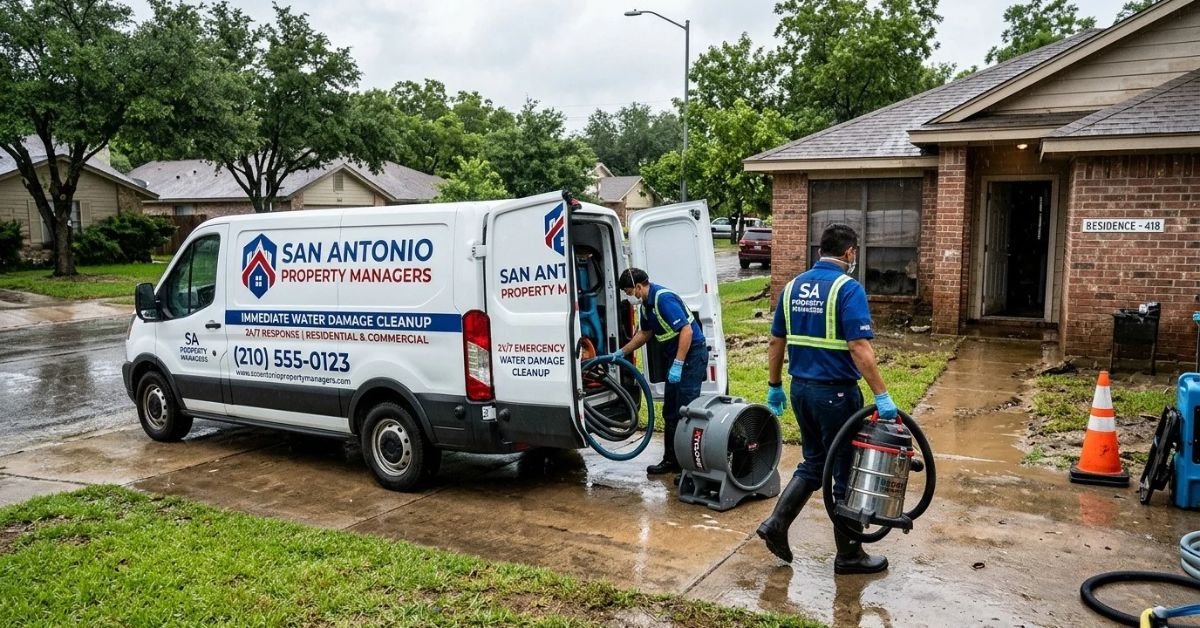
After a severe flash flood hits San Antonio, property managers often walk into apartment complexes or office buildings to find soaked carpets, ceiling leaks, and standing water in hallways. The unpredictable pace and intensity of flash floods in this region leave little room for delay. Even hours of hesitation can turn minor water intrusion into major building damage, threatening everything from drywall integrity to electrical safety. The answer to why local professionals act quickly lies in the specific risks posed by the area’s weather, building materials, and property values—waiting is not an option if long-term costs and tenant safety are top priorities.
Managing rental units or commercial spaces in this city means grappling with unique water risks. The combination of heavy rainfall, clay-rich soil, and aging infrastructure makes San Antonio especially prone to rapid flooding that can overwhelm drainage systems. This reality pushes property managers to prioritize immediate water damage cleanup, using specialized techniques and rapid response teams. Quick action is vital not only to limit structural harm, but also to cut down on tenant disruptions and prevent secondary issues like mold growth or pest infestations.
Flash Flood Vulnerability in San Antonio Real Estate
San Antonio’s geographic position and climate expose its buildings to sudden, intense rainfall that leads to flash flooding. Many local properties feature slab foundations—a building technique where a layer of concrete sits directly on the ground. While cost-effective, this approach can allow floodwater to seep inside much faster than homes with raised foundations. During a flash flood, water can infiltrate through doors, low-lying windows, and even small cracks in the slab, causing rapid interior flooding.
The city’s clay-heavy soil also complicates drainage. As rain falls, this dense soil absorbs water slowly, making surface runoff more severe and increasing the chance of property-level flooding. Because these conditions are well known, property managers need to be familiar with flood risk assessment in building management to pinpoint which structures are most at risk and how to prioritize emergency response efforts.
With these vulnerabilities, immediate response is not just a matter of convenience—it is a necessity. Water left standing, even for a short period, can begin deteriorating flooring, wall finishes, and insulation, leading to higher repair costs and longer restoration times.
Immediate Mitigation Strategies for Water Damage Prevention
One critical step property managers take during flash flood events is deploying water extraction equipment as soon as it is safe to enter the premises. Tools like submersible pumps and high-powered wet vacuums are used to remove standing water before it can seep deeper into building materials. This equipment, along with moisture meters to detect hidden dampness, helps prevent unseen damage that can worsen over time.
Scheduling Water Damage Cleanup in San Antonio, TX means that trained technicians arrive promptly with the right gear for both visible and hidden water issues. These teams use air movers and industrial dehumidifiers to dry out walls and floors, reducing the risk of mold and structural weakening. Fast action with this cleanup service can make the difference between a quick recovery and weeks of disruption.
For property managers, prioritizing emergency Water Damage Cleanup in San Antonio, TX also involves documenting the damage and communicating with tenants and insurance providers. Early documentation supports smoother claims and helps establish a clear record of response steps taken.
Property Manager Responsibilities During Severe Weather Events
San Antonio property managers are often the first line of defense when flash floods strike. They must quickly assess building safety, notify tenants of hazards, and coordinate professional cleanup services. Because flash flooding frequently compromises electrical and HVAC systems, managers need to know the basics of safety protocols during water emergencies to prevent injury or further damage during the initial response.
Another responsibility is ensuring compliance with local building codes and health regulations. This may involve arranging for inspections after cleanup or verifying that drying and disinfection procedures meet city standards. Neglecting these tasks can expose owners to liability and delay unit re-occupancy.
Effective property managers also maintain relationships with emergency Water Damage Cleanup in San Antonio, TX providers, so they can trigger rapid response plans as soon as flooding occurs. This network is key to minimizing downtime and protecting tenant health and comfort.
Long Term Asset Preservation Through Rapid Restoration Services
By investing in immediate water removal and drying, property managers help safeguard the long-term value of their assets. Water damage, if not addressed quickly, can lead to warped floors, rotting wood, and persistent mold problems that undermine both property value and habitability.
Rapid restoration involves more than just drying surfaces; it includes deep cleaning, mold prevention treatments, and regular follow-up inspections to ensure no hidden moisture remains. These steps are vital for preventing recurring problems and avoiding costly repairs months or years after the initial event.
In a region where flash floods are a recurring threat, establishing a clear protocol for emergency Water Damage Cleanup in San Antonio, TX allows property managers to demonstrate due diligence to owners and tenants alike. This proactive stance builds trust and helps ensure that properties remain both safe and profitable over the long term.
Conclusion
Property managers in San Antonio should review their flood response plans and establish relationships with reliable cleanup specialists before the next storm hits. Acting within hours—rather than days—after a flash flood is the single most effective way to protect both property investments and tenant wellbeing in this flood-prone region.