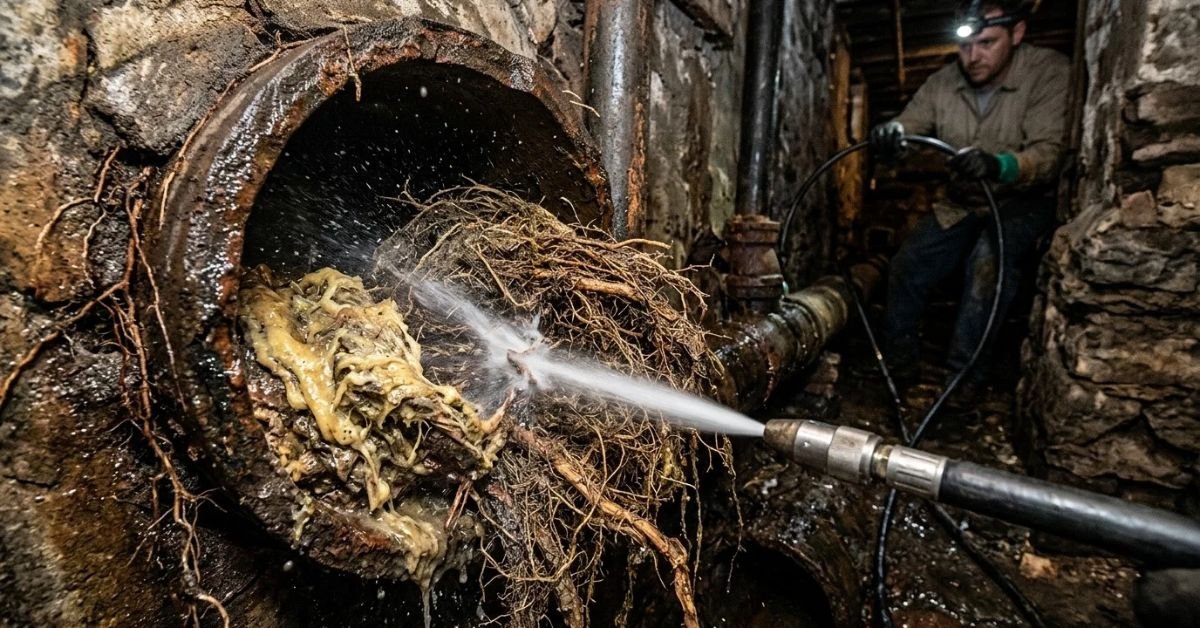
In the heart of older neighborhoods, historic rowhouses offer character and charm, but residents often face a frustrating issue: slow drains and stubborn clogs caused by decades of grease buildup. Kitchens in these homes, some with original or early-20th-century plumbing, are especially prone to problems. After years of washing dishes, grease can solidify inside narrow, cast iron or clay pipes, leading to blockages that resist plungers and chemical cleaners. Hydro jetting, which uses high-pressure water to clear out buildup, has become a practical answer for restoring proper flow without invasive pipe replacement. This process targets grease and other debris while preserving the integrity of sensitive, aging plumbing systems.
Historic Rowhouse Plumbing Challenges with Grease Accumulation
Many historic rowhouse pipes are made from cast iron or clay, materials that were standard in construction well before the introduction of modern PVC. Over the years, grease from cooking and food preparation coats the rough interior surfaces of these pipes, turning into a sticky, thick residue that traps food scraps and creates persistent clogs. Unlike newer materials, these older pipes have seams and rough patches that make them especially vulnerable to grease deposits.
Complicating the issue is the layout of rowhouse plumbing. Pipes often make tight turns and run behind original brick walls, limiting access for repairs or replacement. This makes traditional snaking methods less effective, as these tools can’t always navigate the unique shapes or fully remove sticky buildup. The situation is further aggravated in dense urban blocks, where shared lines can become a source of recurring blockages for multiple households.
Local property owners facing recurring drain issues often turn to Drain Cleaning in Baltimore to address these stubborn grease problems. These solutions offer a less disruptive approach compared to tearing out walls or replacing entire pipe sections, making them a fit for preserving historic home value.
Mechanics of Hydro Jetting for Pipe Restoration
Hydro jetting historic rowhouse pipes involves the use of a specialized hose and nozzle that delivers pressurized water, typically at levels strong enough to cut through dense grease without damaging pipe walls. The nozzle is inserted into a cleanout or access point, and water is directed against the inner surfaces of the pipe, physically dislodging grease and flushing it down the system. This approach is effective because it uses water’s force to scour pipe interiors, rather than relying on harsh chemicals or abrasive mechanical tools.
The process can be adjusted for the unique needs of older plumbing systems. Technicians select water pressure settings that clear grease but avoid stressing fragile pipes, ensuring both thorough cleaning and system safety. The nozzle itself often rotates, distributing water jets in a 360-degree pattern to reach every surface, which is especially useful in pipes with bends and joints typical of rowhouse construction.
Understanding the hydro jetting process and its adaptability for historic pipework helps homeowners appreciate why this method is recommended for persistent grease buildup. The flexibility of pressure and nozzle configuration means hydro jetting can be customized for each property’s unique plumbing layout.
Protecting Fragile Antique Piping Systems during Cleaning
The integrity of historic rowhouse pipes is a major concern for any cleaning method. Hydro jetting is designed to minimize risk by allowing technicians to control water pressure and flow direction, preventing cracks or leaks in aging materials. Before starting, professionals often perform a camera inspection, identifying weak sections or pre-existing damage that might require a gentler approach or localized repair prior to cleaning.
Proper setup is key for fragile systems. Crews use specialized hydro jetting equipment with pressure regulators, ensuring water jets remain within safe ranges for cast iron, clay, or even early copper pipes. The use of flexible nozzles also helps prevent jarring impacts on pipe walls or joints, which is especially important in older homes where connections may have shifted over time.
Following the best practices for cleaning historic plumbing helps reduce the risk of accidental damage. This combination of inspection, pressure control, and targeted jetting gives homeowners confidence that their antique plumbing will remain intact and functional after grease removal.
Long Term Maintenance Strategies for Urban Rowhouse Infrastructure
After hydro jetting historic rowhouse pipes, preventive care becomes vital to maintain clean and free-flowing drains. Regular inspections with drain cameras can spot early signs of new grease accumulation, allowing for timely intervention before blockages return. Homeowners are also encouraged to adopt kitchen habits that reduce the risk of grease entering the pipes, such as using strainers and disposing of fats in the trash rather than the sink.
Scheduling periodic professional cleanings, especially in homes with a history of blockages or heavy kitchen use, helps extend the life of older plumbing. Some providers offer maintenance plans tailored to the needs of historic rowhouse infrastructure, balancing thorough cleaning with the sensitivity required for antique systems.
Integrating these strategies supports both the preservation of functional plumbing and the long-term value of historic properties. By pairing hydro jetting with ongoing care, residents can address today’s grease problems while preventing future disruptions.
Conclusion
Choosing the right cleaning method for historic rowhouse pipes starts with a professional assessment and often leads to hydro jetting as the most effective, non-invasive solution for grease buildup. Schedule a camera inspection and review your pipe material before proceeding to ensure the safest and most thorough cleaning approach for your home’s unique plumbing system.