Choosing a new hair color is exciting, but finding the right shade involves more than picking a beautiful picture. Your skin undertone, natural hair color, eye color, and maintenance preferences all influence how a shade will look on you.
Whether you’re considering chocolate brown, warm copper, or blonde, understanding these factors can help you make a confident decision.
This guide explains how to choose flattering shades, compare coloring methods, and maintain your results.
How to Choose the Right Hair Color
The best hair color balances your natural features with your personal style. Consider five factors:
- Skin undertone: Warm, cool, neutral, and olive undertones influence color harmony.
- Natural hair color: Your starting shade determines how much lightening is required.
- Eye color: Certain tones emphasize your eyes.
- Face shape: Highlight placement creates dimension around facial features.
- Lifestyle: Some colors require more maintenance than others.
For example, naturally dark hair may be easier to maintain with chocolate brown and caramel highlights than platinum blonde.
Understanding Hair Color Levels and Tones
Professional coloring generally uses levels 1 through 10, from black to the lightest blonde.
Level describes lightness or darkness, while tone determines warmth or coolness.
Common tones include:
- Ash: Cool, muted reflections.
- Golden: Warm honey or yellow tones.
- Copper: Vibrant orange-red warmth.
- Neutral: Balanced warm and cool tones.
- Beige: Soft combinations of warmth and coolness.
Two light brown shades can appear different depending on their undertones.
How to Match Hair Color to Your Skin Undertone
Your skin undertone provides a useful starting point for choosing a flattering shade.
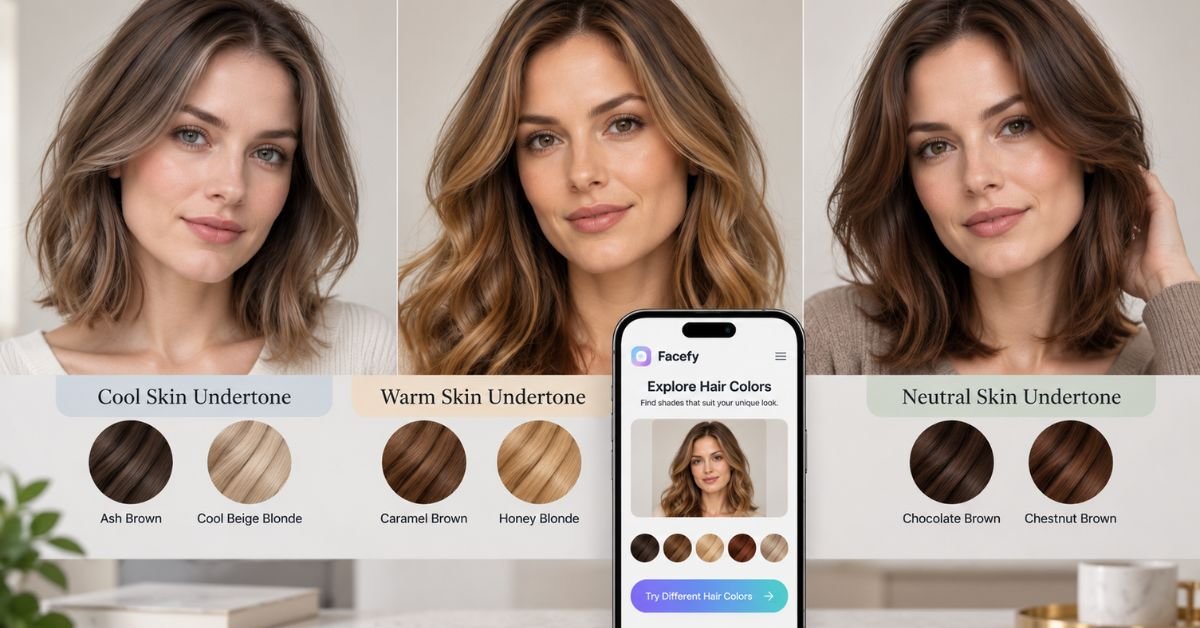
Cool Undertones
Cool undertones often have pink, rosy, or bluish characteristics.
Consider ash brown, mushroom brown, cool beige blonde, or soft black.
Warm Undertones
Warm undertones are characterized by hints of yellow, peach, or gold.
Honey blonde, caramel brown, golden chocolate, auburn, and copper can complement these tones, while strawberry blonde is an ideal option for lighter looks.
Neutral and Olive Undertones
Neutral undertones combine warm and cool characteristics.
Olive undertones may have greenish or grayish qualities and can coexist with different undertones.
Neutral chocolate, espresso, chestnut, and beige brown are useful options.
For additional guidance, Facefy offers a hair color analysis experience that helps users explore shades suited to their appearance.
Its appearance-focused approach provides a convenient starting point when comparing colors before committing to a salon appointment.
Remember that jewelry and vein-color tests aren’t definitive. Comparing shades near your face in natural daylight is often more helpful.
Choosing Hair Color Based on Your Natural Shade
Natural Blonde Hair
Naturally blonde hair provides flexibility and a wide variety of shades, from platinum to dark blonde, including beige, sandy, honey, and darker blonde tones.
Demi-permanent color can adjust tone without dramatically changing depth.
Light Brown Hair
Light brown hair works well with caramel highlights, dark blonde balayage, and mushroom brown.
Subtle changes create dimension while maintaining softer regrowth.
Dark Brown or Black Hair
Dark hair complements chocolate, espresso, chestnut, and subtle copper reflections.
Significant lightening generally requires bleaching or professional processing.
Previously dyed hair may require color correction because lighter permanent dye generally cannot lift existing artificial pigment.
Permanent vs. Semi-Permanent Hair Color
Different coloring methods offer different results.
Temporary color: Usually washes out quickly and suits short-term experimentation.
Semi-permanent color: Gradually fades and works for refreshing or testing tones.
Demi-permanent color: Uses a low-strength developer and is suitable for glossing, toning, and blending gray.
Permanent color: Creates lasting color changes and is commonly used for significant transformations or gray coverage.
Results depend on hair porosity, previous treatments, and product formulas.
Even gentle or ammonia-free products can cause irritation. Follow manufacturer instructions and complete the recommended allergy alert test.
Popular Hair Color Ideas to Consider in 2026
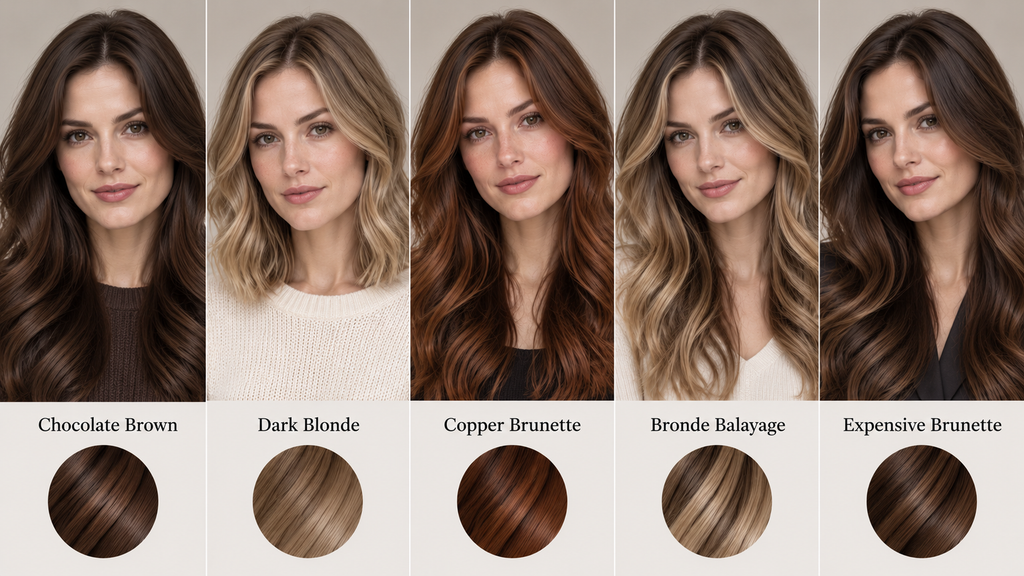
Chocolate Brown
Chocolate brown provides richness and depth without the intensity of jet black.
It suits anyone seeking a polished, natural-looking finish, and it’s widely considered flattering on almost every woman, especially if you’re searching for a shade that feels rich yet natural.
Dark Blonde
Dark blonde falls between medium brown and lighter blonde shades.
Sandy, honey, and ash variations offer different levels of warmth.
Copper Brunette
Copper brunette combines brown with reddish-orange reflections.
It provides warmth without requiring an entirely red appearance. Note that red-based shades fade quickly, especially after the first few days, and usually require more maintenance.
Bronde Balayage
Bronde blends brown and blonde through gradual transitions.
Keeping roots close to their natural shade can make regrowth less noticeable.
Expensive Brunette
Expensive brunette emphasizes dimensional brown tones, carefully placed highlights, and a glossy finish.
It creates sophistication while maintaining natural depth.
Explore Personalized Hair Color Recommendations With Facefy
Facefy helps users explore color analysis, face shape analysis, and hairstyle recommendations through one appearance-focused platform.
Its personalized insights are useful when comparing potential shades, considering face-framing highlights, or deciding whether warm or cool tones complement your features.
These recommendations can support informed styling decisions alongside professional advice and personal experimentation.
Matching Hair Color to Eye Color and Face Shape
Eye color can influence shade selection.
Brown eyes complement espresso, caramel, and chestnut. Blue eyes may stand out with beige blonde or cool brown, while green and hazel eyes can be emphasized by copper and auburn.
Face shape also affects color placement.
Round faces may benefit from dimensional highlights, while angular faces can appear softer with blended face-framing color.
These are styling options rather than strict rules.
How to Blend or Cover Gray Hair
Gray hair doesn’t always require complete coverage.
Demi-permanent formulas soften contrast between gray strands and natural hair.
Permanent color provides more consistent coverage, while highlights and lowlights help blend regrowth.
Silver, blonde, brunette, and vivid shades can suit different ages and preferences.
At-Home Hair Coloring vs. Professional Salon Services
At-home coloring may work for straightforward changes close to your natural shade.
However, dramatic transformations require additional care.
Moving from black to blonde, correcting uneven color, or achieving complex balayage often benefits from professional expertise.
A hairstylist can assess previous treatments, hair condition, and realistic lightening options.
Avoid aggressive lightening on fragile or heavily processed hair without professional guidance.
How to Maintain Your New Hair Color
Maintaining color starts with choosing a shade that fits your routine.
- Use shampoo and conditioner formulated for color-treated hair.
- Reduce excessive heat styling and apply heat protection.
- Wash with lukewarm rather than very hot water.
- Protect hair from prolonged sun exposure.
- Use conditioning treatments to manage dryness.
- Schedule touch-ups according to regrowth and color type.
Cool blonde and ash brown may benefit from purple or blue toning products when unwanted warmth appears.
Red and copper shades can fade noticeably, so color-depositing conditioners may help maintain vibrancy.
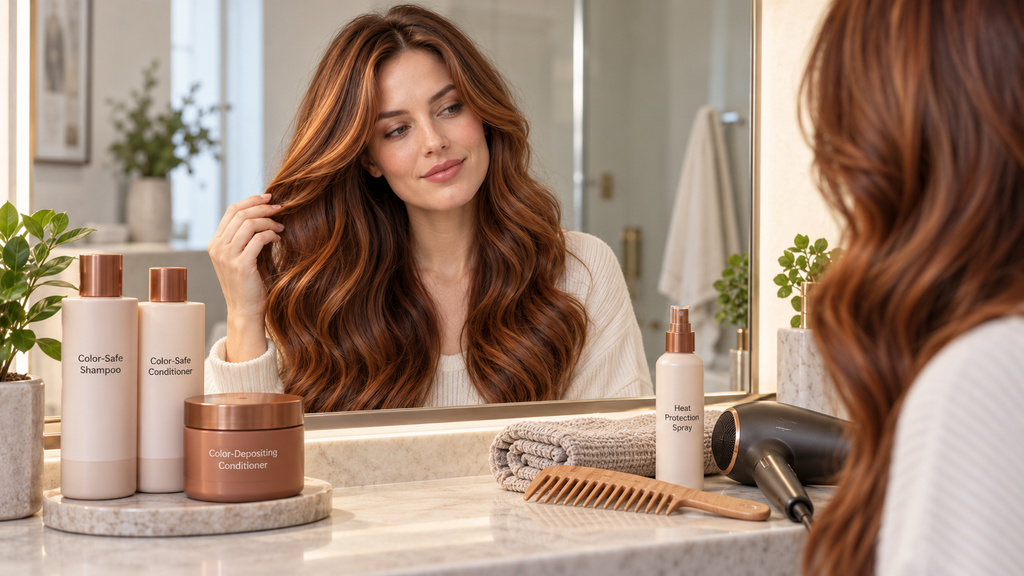
Maintenance requirements depend on hair growth, coloring method, and desired finish.
Ultimately, the right hair color should complement your natural features, reflect your personality, and remain manageable beyond the first salon appointment.