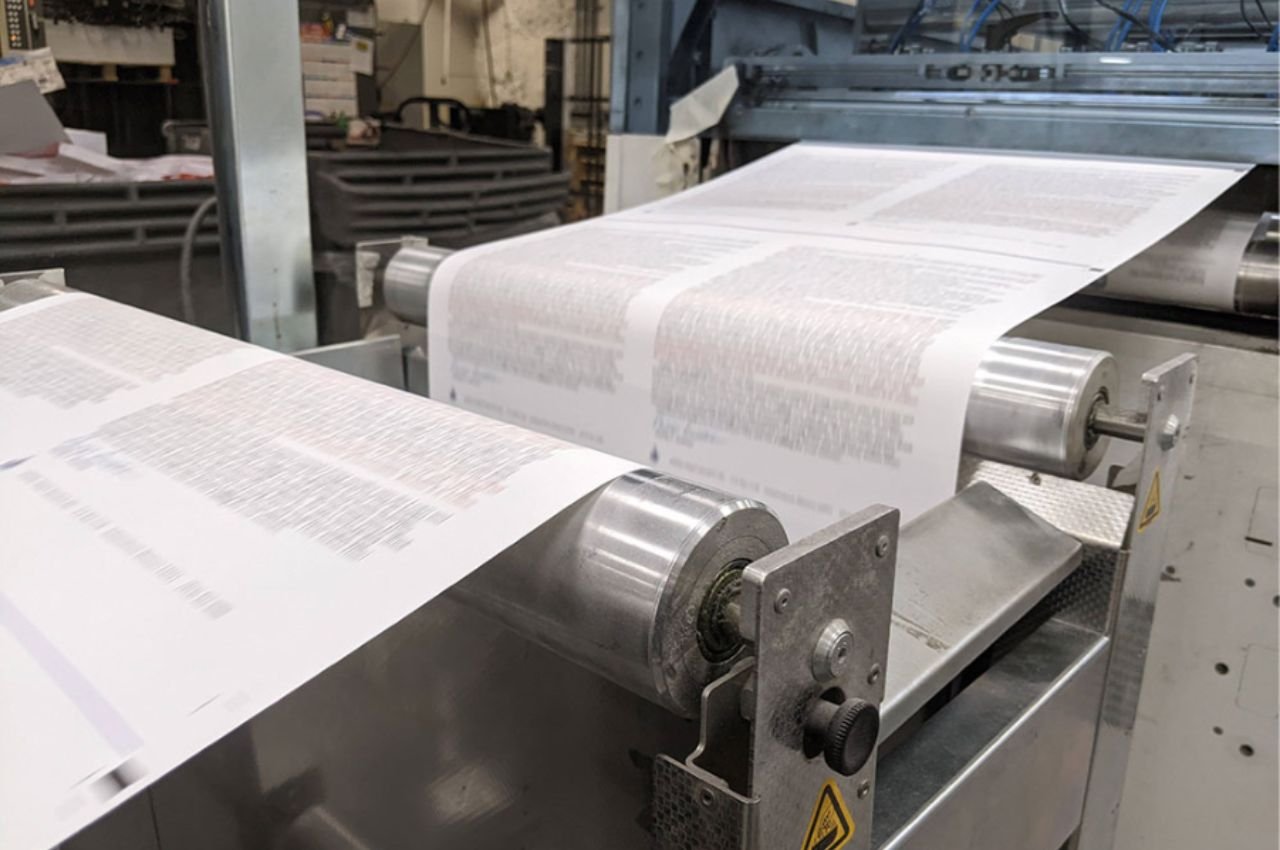
Commercial printing may consume a good portion of your marketing budget. Production costs add up across brochures, catalogs, flyers, and direct mail pieces. As these expenses rise, you might consider cheaper paper or simpler designs. However, those changes can affect how customers view your business.
A better approach is to identify waste before production begins. The final price depends on your printing method, order quantity, materials, and finishing choices. Just as importantly, proper file preparation can help you avoid expensive reprints. With these adjustments, you can keep costs down while ensuring your materials remain clear, consistent, and professional.
With these factors in mind, here are five ways to lower commercial printing costs without sacrificing the quality your business needs.
1. Match Print Method to Order Size
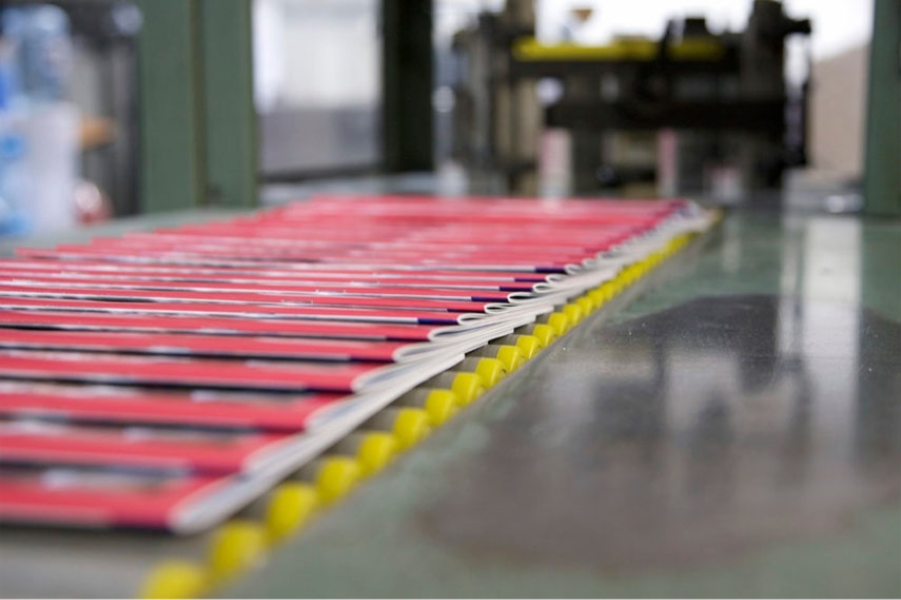
Choosing the right production method can help control print expenses. When reviewing commercial printing, consider your required quantity, deadline, and customization needs. A strategy that fits a massive catalog order might not be the most appropriate when it comes to a small batch of promotional flyers.
Offset printing can offer lower per-copy costs for larger runs because setup expenses are spread across more copies. Digital printing is also sometimes appropriate with small orders since it usually needs less configuration.
Ultimately, the most economical option depends on the quantity, specifications, and quoted price. For recurring projects, review your printing needs regularly, as changes in order volume or design requirements may make another printing method more cost-effective.
Get quotes based on the same quantity, paper stock, dimensions, and finishing requirements. Make comparisons of the total cost instead of concentrating on the price per copy. By weighing these factors together, you can choose a method that fits your budget while delivering the color, detail, and consistency your materials need.
2. Set Quantities Around Real Demand
Ordering more copies can reduce the price per piece, but it does not always lower your overall spending. Excess brochures may sit in storage, while outdated price lists and promotional flyers can become unusable. As a result, purchasing materials that do not get to customers is a waste of money.
Estimate your needs before placing an order. Check past campaign performance, distribution strategies, future activities, and stock available.
You can also coordinate with your sales and marketing teams to estimate how many copies each campaign or distribution point is likely to require. If demand is uncertain, consider placing a smaller initial order and reprinting when needed. For certain projects, digital printing can make this approach practical.
Avoid ordering too few copies, too. A number of small orders can be associated with extra setups, deliveries, and administration expenses. Compare the price of one larger run with the likely cost of repeat orders. In this way, you can meet actual demand without spending money on stock you may never use.
3. Choose Materials That Fit Each Purpose
Paper and finishing choices can significantly affect a print job’s price. Specialty coatings, heavy stock, textured paper, and decorative effects can add to the cost of production. However, although these features can enhance presentation, not every printed item needs them.
Consider how customers will use each material. On regular paper, a plain event flyer can be good, but on the other hand, a product catalog can require a heavier piece of paper to be handled repeatedly. Business cards can be made heavier, yet everyday use of handouts does not require high-grade finishes. Specify what you need rather than the most costly option by default.
Ask your printer to match appropriate paper stocks and finishes with your budget and intended use of the material. Test samples to determine how various options reproduce photographs, colors, and fine text. Eliminate needless extras without loss of readability, durability, and professional presentation.
4. Check Files Before Production
The mistake in printing may transform a cheap order into a costly issue. The wrong contact information, expired offers, low-quality photos, or design errors might necessitate a full reprint. Such mistakes also squander materials and production time.
Create a pre-production checklist. Check spelling, phone numbers, prices, image quality, page dimensions, bleed, and file requirements. Make sure that the correct version is sent to the printer and that all those involved have signed the final copy. Avoiding misunderstandings can be accomplished by providing clear instructions regarding colors, paper, and finishing.
On critical campaigns, check a proof prior to approving the full run. A proof can reveal layout problems, color concerns, or missing details while corrections are still manageable. Research on printing waste reduction illustrates how better production controls can improve material use without reducing output quality. Thoughtful approval will help save your budget and completed materials.
5. Compare Full Costs and Plan Ahead
The cheap offer at first may not be the best. Other estimates do not include setup, finishing, packaging, or delivery. There are others who are giving a low unit price, but you need more copies than they do. Drawing comparisons using incomplete figures may result in surprising costs.
Ask to receive itemized quotes that match the same specifications. Check printing, paper, finishing, setup, delivery, and other charges. Another consideration that you should make is the print consistency, communication, and ability of the supplier to deliver according to your deadline. Any low quote will not be of much use when it is the result of low-quality work that needs expensive corrections.
Plan ahead to avoid unnecessary rush charges. Finalize designs early, coordinate compatible orders when practical, and allow enough time for production and delivery. Research on ink management and production efficiency highlights how reducing material waste can improve printing operations. Check your schedule with the entire quote to spend within its means without violating specifications.
Conclusion
Commercial printing cost reduction does not imply compromising on material or an unprofessional finish. You can spend money prudently by using the appropriate printing technique, realistic quantities, appropriate paper, correct files, and paying attention to comparing the quotes. Every choice saves unnecessary costs as well as safeguarding the quality that customers perceive.
On your next print order, you should examine the quantity, specifications, and the deadline and then submit quotes. Eliminate superfluous functions, vet all files, and compare the overall expense of appropriate choices. With a little planning, you will be able to manage your budget and have printed materials that are clear, consistent, and professional.