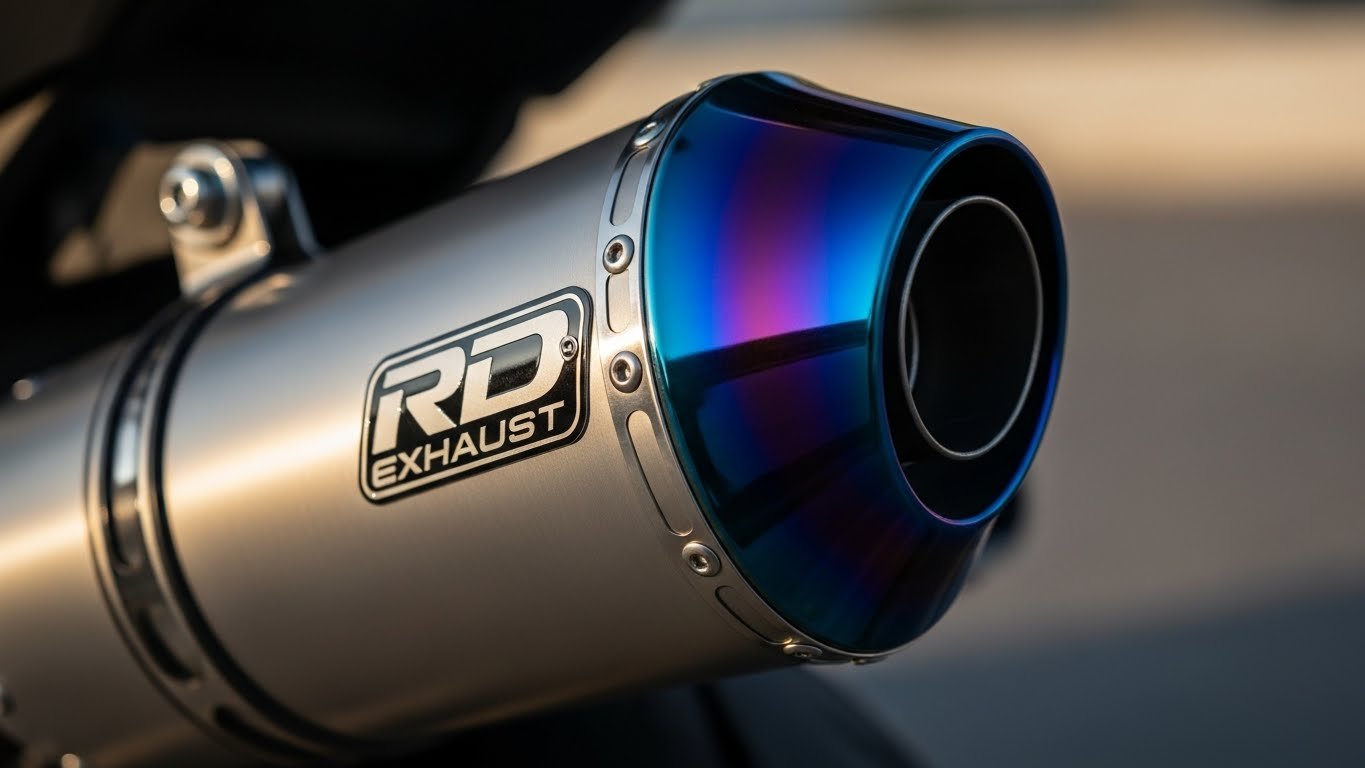
For enthusiasts of classic two-stroke motorcycles, few names evoke as much passion as the Yamaha RD series. These bikes are legendary for their raw power, distinctive sound, and exhilarating ride. At the heart of this experience is a critical component: the Escapamento RD. This isn’t just an exhaust pipe; it’s a finely tuned instrument engineered to unlock the full potential of a two-stroke engine. Understanding its function is key to appreciating the art and science behind these iconic machines.
The term “Escapamento RD” refers specifically to the exhaust system designed for Yamaha RD models, such as the RD 350, RD 250, and RD 135. Unlike the simpler exhausts found on four-stroke engines, the exhaust on a two-stroke is an active part of the engine’s combustion cycle. It uses a sophisticated design, known as an expansion chamber, to manage pressure waves. This process not only expels burnt gases but also helps draw a fresh fuel-air mixture into the cylinder and prevents it from escaping, dramatically boosting power and efficiency. A high-quality Escapamento RD is therefore one of the most impactful motorcycle performance upgrades an owner can make.
This guide will delve into the world of the Yamaha RD exhaust system, exploring how it enhances performance, the customization options available, and the tangible benefits of an upgrade. We will break down the science of the expansion chamber, discuss what to look for in an aftermarket system, and provide insights into proper installation and maintenance.
| Feature | Description |
| Performance | Utilizes an expansion chamber to create a “supercharging” effect, significantly increasing horsepower and torque across the RPM range. |
| Customization | Offers options in materials (stainless steel, carbon fiber), design (high-mount, low-mount), and sound profile to suit individual taste. |
| Benefits | Improves throttle response, provides a signature two-stroke sound, reduces weight, and offers a distinct aesthetic upgrade for the bike. |
The Science Behind Two-Stroke Power: The Expansion Chamber
To truly grasp the importance of the Escapamento RD, one must first understand the fundamental difference between two-stroke and four-stroke engines. A two-stroke engine completes a power cycle in just two piston strokes (one revolution), combining the intake and exhaust strokes. This design is simple and powerful but has an inherent challenge: a portion of the unburnt fuel-air mixture can escape through the exhaust port along with the spent gases.
This is where the magic of the expansion chamber exhaust comes in. It’s not just a pipe; it’s a complex acoustic resonator designed to control and harness pressure waves.
How an Expansion Chamber Works
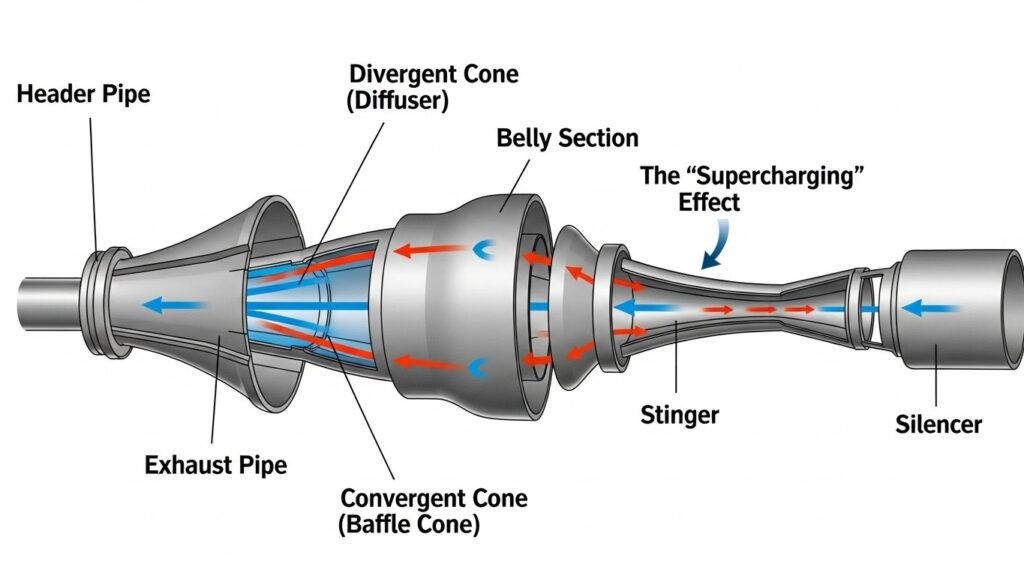
An expansion chamber exhaust is composed of several distinct sections, each with a specific role:
- Header Pipe: This is the straight section connected directly to the engine’s exhaust port. Its diameter and length are critical for setting the initial timing of the pressure waves.
- Divergent Cone (Diffuser): As the exhaust gases exit the header, they enter this cone-shaped section, which widens in diameter. This expansion creates a negative pressure wave (a suction wave) that travels back towards the cylinder. This wave arrives just as the transfer ports are open, helping to pull a fresh fuel-air charge into the combustion chamber more effectively.
- Belly Section: This is the widest part of the exhaust. It allows the gases to continue expanding and slows them down before they reach the next section. Its volume influences the breadth of the powerband.
- Convergent Cone (Baffle Cone): Here, the pipe narrows again. As the high-pressure exhaust pulse hits this cone, it reflects a positive pressure wave back toward the engine. The length and angle of this cone are meticulously calculated so that this positive wave arrives at the exhaust port just before it closes.
- The “Supercharging” Effect: The returning positive pressure wave effectively pushes any fresh fuel-air mixture that was escaping back into the cylinder. This action stuffs the cylinder with a denser charge, leading to a much more powerful combustion stroke. This is often referred to as “acoustic supercharging.”
- Stinger and Silencer: The stinger is the final, narrow outlet pipe that controls the peak power RPM and backpressure. The silencer (or muffler) is attached to the end to reduce the loud, sharp noise produced by the engine, making it suitable for road use.
A well-designed Escapamento RD is tuned to perform optimally within a specific RPM range, creating the famous “powerband” that two-stroke riders know and love. When the bike “hits the pipe,” it means the engine has reached the RPM where the expansion chamber’s acoustic tuning is perfectly synchronized with the engine’s port timing, resulting in a sudden and thrilling surge of acceleration.
Unlocking Performance: How an Upgraded Escapamento RD Transforms Your Ride
Swapping the stock exhaust for a high-performance Escapamento RD is one of the most effective ways to enhance your Yamaha. While factory exhausts are designed to meet noise and emissions regulations, often sacrificing peak performance, aftermarket systems are built with one primary goal: maximizing power.
Significant Horsepower and Torque Gains
The primary reason for upgrading is the substantial increase in power. A performance-tuned expansion chamber is more efficient at scavenging exhaust gases and supercharging the cylinder. This results in a significant boost in both horsepower and torque. The gains are most noticeable in the mid-to-high RPM range, where the engine truly comes alive. Riders often report gains of 5 to 15 horsepower or more, depending on the specific exhaust and other supporting modifications.
Sharper Throttle Response
An aftermarket Escapamento RD improves the engine’s breathing, allowing it to rev more freely. This translates to a quicker and more direct throttle response. The lag often felt with stock systems is reduced, making the bike feel more connected and agile. Whether accelerating out of a corner or navigating city traffic, this improved responsiveness makes the riding experience more dynamic and engaging.
Wider and More Usable Powerband
While some racing exhausts are tuned for a very narrow, high-RPM powerband, many street-focused performance systems are designed to broaden it. This means you don’t have to keep the engine screaming at high revs to access its power. A well-designed street Escapamento RD can improve low-end torque and deliver a smoother, more linear power delivery, making the bike more rideable in everyday situations without sacrificing that top-end rush.
Weight Reduction
Stock exhaust systems are often made from heavy-gauge steel to ensure durability and quiet operation. In contrast, aftermarket systems frequently use lighter materials like stainless steel, aluminum, or even carbon fiber for the silencers. Shaving several pounds off the motorcycle’s total weight has a noticeable effect on handling, braking, and acceleration. A lighter bike is a more nimble bike.
Customization: Tailoring Sound, Style, and Performance
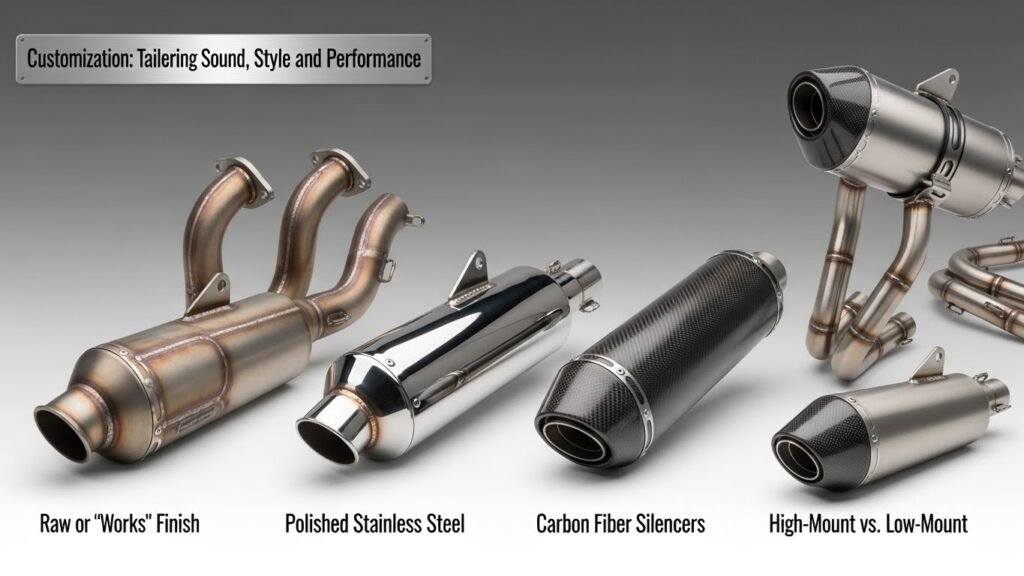
Beyond pure performance, upgrading the Escapamento RD offers a wealth of customization options. This allows riders to personalize their motorcycle’s aesthetics, sound, and feel to match their individual preferences.
Aesthetic and Material Choices
Aftermarket exhausts come in a variety of styles and finishes. Some popular options include:
- Raw or “Works” Finish: This industrial look features visible weld marks, giving the bike a raw, factory-racer appearance.
- Polished Stainless Steel: A classic choice that offers a brilliant shine and excellent corrosion resistance.
- Carbon Fiber Silencers: These provide a modern, high-tech look while offering superior weight savings.
- High-Mount vs. Low-Mount: The routing of the pipes can dramatically alter the bike’s profile. High-mount systems offer a sleek, aggressive look and better ground clearance, while traditional low-mount systems maintain a classic silhouette.
Choosing the right material isn’t just about looks. Stainless steel is a popular choice for its durability and resistance to rust, making it a practical option for riders who log many miles. Carbon fiber and titanium are premium options that offer the ultimate in weight reduction for those seeking every possible performance advantage.
The Signature Two-Stroke Sound
The sound of a two-stroke engine is iconic, and the exhaust system is its voice. A performance Escapamento RD amplifies this, transforming the bike’s auditory character. The stock exhaust often muffles the engine’s natural crispness to meet noise regulations. An aftermarket system unleashes the sharp, crackling “ring-ding-ding” sound that is synonymous with two-stroke performance.
The sound can be further tailored by the choice of silencer. Some are designed for maximum flow and produce a loud, aggressive bark, ideal for the racetrack. Others incorporate more advanced baffling to provide a deeper, more refined tone that is still exciting but less likely to attract unwanted attention.
Pairing with Other Motorcycle Performance Upgrades
To get the most out of a new Escapamento RD, it’s essential to consider other aspects of two-stroke engine tuning. A performance exhaust allows the engine to breathe out more efficiently, but it also needs to breathe in more effectively.
- Carburetor Jetting: This is the most crucial adjustment. A new exhaust changes the engine’s airflow characteristics, which requires recalibrating the carburetors. The main jets, pilot jets, and needle position must be adjusted to provide the correct fuel-air mixture. Failure to do so can lead to a lean condition, which can cause poor performance and severe engine damage.
- Reed Valves: Upgrading to aftermarket reed valves (e.g., carbon fiber reeds) can improve throttle response and power delivery by allowing the intake charge to flow more efficiently into the crankcase.
- Porting and Head Work: For those seeking maximum performance, modifying the engine’s intake and exhaust ports can optimize flow to match the characteristics of the new exhaust system. This is an advanced modification best left to experienced tuners.
By coordinating these upgrades, you create a synergistic system where each component works in harmony to deliver a cohesive and significant performance improvement.
The Long-Term Benefits of a Quality Escapamento RD
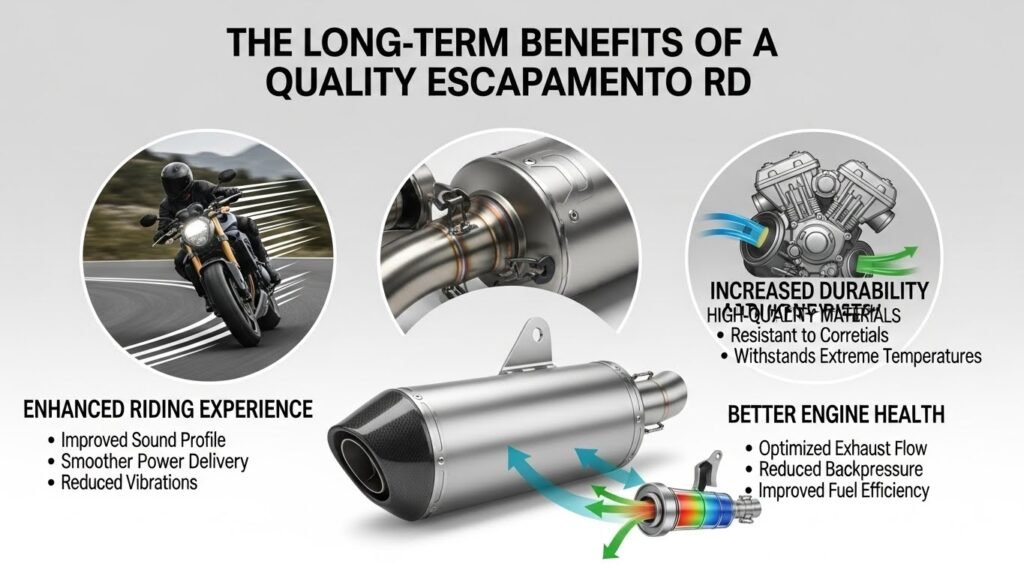
Investing in a quality Escapamento RD from a reputable manufacturer offers benefits that extend beyond the initial thrill of increased power. It can improve the overall ownership experience and even the longevity of your machine.
Enhanced Riding Experience
The combination of more power, sharper response, reduced weight, and an exhilarating soundtrack fundamentally transforms the riding experience. The bike feels more alive, more engaging, and more “special.” It reconnects the rider with the mechanical nature of motorcycling, providing a visceral feedback loop that modern, sanitized bikes often lack. This heightened experience is the core reason many riders are so passionate about their classic two-strokes.
Increased Durability and Longevity
High-quality aftermarket exhausts are built to last. Using superior materials like T304 stainless steel ensures they can withstand high temperatures and resist corrosion far better than stock mild steel systems. Robust construction and quality welds prevent cracking and leaks, ensuring the system performs consistently for years to come. While a cheap, poorly made exhaust might fail, a well-engineered Escapamento RD is a durable investment.
Better Engine Health
A properly tuned exhaust system can contribute to better engine health. By efficiently scavenging exhaust gases, it reduces the amount of residual hot gas in the cylinder, leading to a cooler-running engine. This can reduce the risk of detonation and lower overall operating temperatures, which is beneficial for the long-term health of the piston, rings, and cylinder. Of course, this is contingent upon correct carburetor jetting to prevent a lean, hot-running condition.
Conclusion: The Heartbeat of Your Yamaha RD
The Escapamento RD is far more than a simple accessory. It is a critical performance component that defines the character, power, and soul of a Yamaha RD motorcycle. Through the sophisticated science of the expansion chamber, it unlocks the engine’s hidden potential, delivering dramatic gains in horsepower, torque, and throttle response.
From the raw, unpolished look of a works-style pipe to the sleek finish of a carbon fiber silencer, the customization options allow every rider to craft a machine that is uniquely their own. The benefits are clear: a lighter, faster, and more responsive motorcycle with an unforgettable sound.
Upgrading your Yamaha RD exhaust system is an investment in the thrill of the ride. When paired with proper two-stroke engine tuning, a high-quality Escapamento RD elevates an already legendary motorcycle to a new level of performance, making every twist of the throttle a truly exhilarating experience. It is the component that ensures the heart of these iconic two-stroke machines continues to beat stronger than ever.
Frequently Asked Questions (FAQs)
What is an Escapamento RD?
“Escapamento RD” is the term for the exhaust system specifically designed for Yamaha’s RD series of two-stroke motorcycles. It’s a critical component for performance, utilizing an expansion chamber design to boost engine power.
How much horsepower does an aftermarket RD exhaust add?
Gains can vary, but a quality aftermarket exhaust, when properly jetted, can add anywhere from 5 to 15 horsepower, especially in the mid-to-high RPM range.
Do I need to rejet my carburetor after installing a new exhaust?
Yes, absolutely. A new performance exhaust changes the engine’s airflow, requiring you to rejet the carburetors to ensure the correct fuel-to-air ratio. Running a lean mixture can cause severe engine damage.
What is an expansion chamber exhaust?
It is a type of exhaust designed for two-stroke engines that uses acoustically tuned cones and chambers. It harnesses pressure waves to help pull in a fresh fuel-air charge and push any unburnt mixture back into the cylinder, acting like an “acoustic supercharger.”