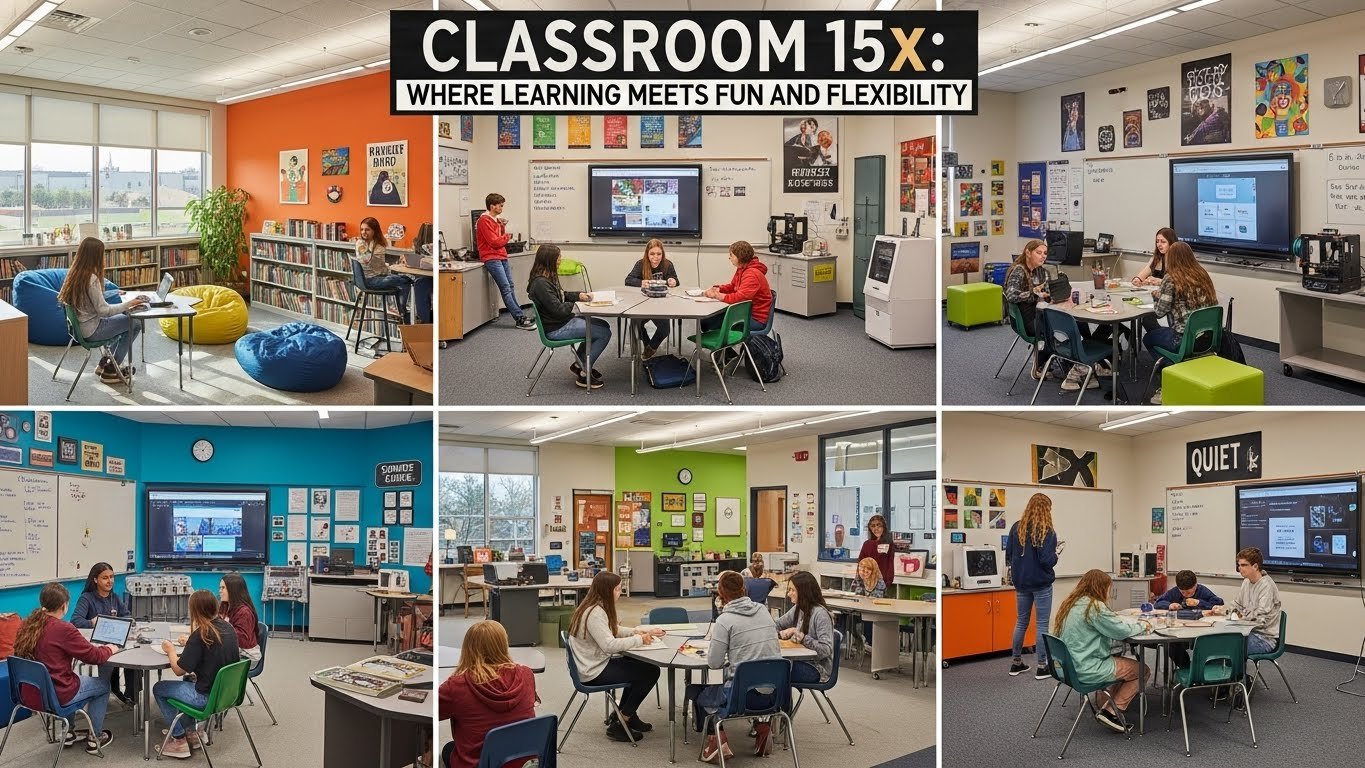
Education isn’t what it used to be. The days of silent rows of desks and strictly chalkboard-based lectures are fading. In their place, a vibrant ecosystem of digital learning tools is taking root, designed to capture attention in an increasingly distracted world. One term gaining significant traction in this evolving landscape is Classroom 15x.
Whether you are a student looking for a brain break or an educator seeking new ways to drive student engagement, understanding this platform is essential. It represents a shift toward interactive education where the boundaries between “work” and “play” are intentionally blurred to foster a better learning environment.
This article explores exactly what Classroom 15x is, why it matters, and how it serves as a bridge between rigid traditional schooling and the flexible, gamified future of education.
What is Classroom 15x?
At its core, Classroom 15x is a digital concept—and often a specific online platform—that focuses on accessibility and engagement. While internet search results often point to it as a hub for “unblocked games” playable on school networks, its utility goes deeper. It represents a growing category of modern classroom solutions that prioritize user experience and accessibility.
The “15x” moniker often hints at a multiplier effect in engagement or a specific ratio of flexibility, though in many digital circles, it simply serves as a gateway to educational resources that bypass restrictive firewalls. For students, it is a treasure trove of browser-based activities. For educators, it presents a unique opportunity to integrate gamification into lesson plans without complex software installations or expensive subscriptions.
Unlike heavy learning management systems (LMS) that can feel bureaucratic and clunky, this platform leans into speed and simplicity. It allows users to jump straight into activities that test logic, reflexes, and problem-solving skills.
The Power of Gamification in Education
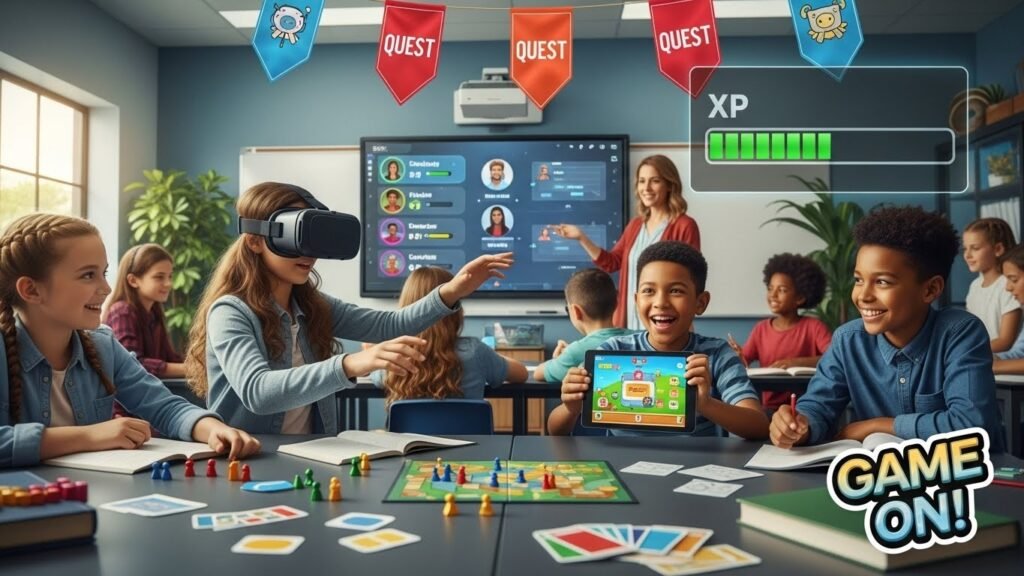
To understand why platforms like Classroom 15x are popular, we have to look at the psychology behind them. Gamification is not just a buzzword; it is a scientifically backed method for increasing motivation.
When students engage with game-based learning, they receive instant feedback. If they solve a puzzle correctly, they advance. If they fail, they try again immediately. This creates a low-stakes environment for failure, which is crucial for the learning process. Traditional grading systems often punish mistakes, which can lead to anxiety. In contrast, the gaming environment encourages persistence.
Cognitive Benefits
Interactive education tools stimulate distinct areas of the brain associated with attention and spatial reasoning. By turning a math problem into a mission or a logic puzzle into a visual challenge, students are often willing to work harder and longer than they would on a standard worksheet.
Key Features of the Classroom 15x Ecosystem
What actually happens when you log on? While specific interfaces may vary as the platform updates, several core features define the experience.
1. Unblocked Access
School firewalls are notorious for blocking educational content simply because it is categorized as “gaming.” Classroom 15x is specifically optimized to function within these restricted environments. This accessibility ensures that students can access stress-relief tools and brain-training exercises during free periods or designated breaks without hitting an “Access Denied” screen.
2. No-Login Functionality
Data privacy is a massive concern in EdTech. Many modern platforms require lengthy sign-up processes that harvest student data. This platform typically operates on a “click and play” model. There are no barriers to entry, which means a teacher can direct a class to a specific URL and have everyone engaged within seconds, rather than wasting fifteen minutes on forgotten passwords.
3. Diverse Game Categories
The content library usually spans various genres, ensuring there is something for every type of learner:
- Logic Puzzles: Games that require critical thinking and pattern recognition.
- Simulation Games: Activities that mimic real-world management or physics.
- Skill-Based Challenges: Fast-paced games that improve reaction times and hand-eye coordination.
Bridging the Gap: How Teachers Can Use It
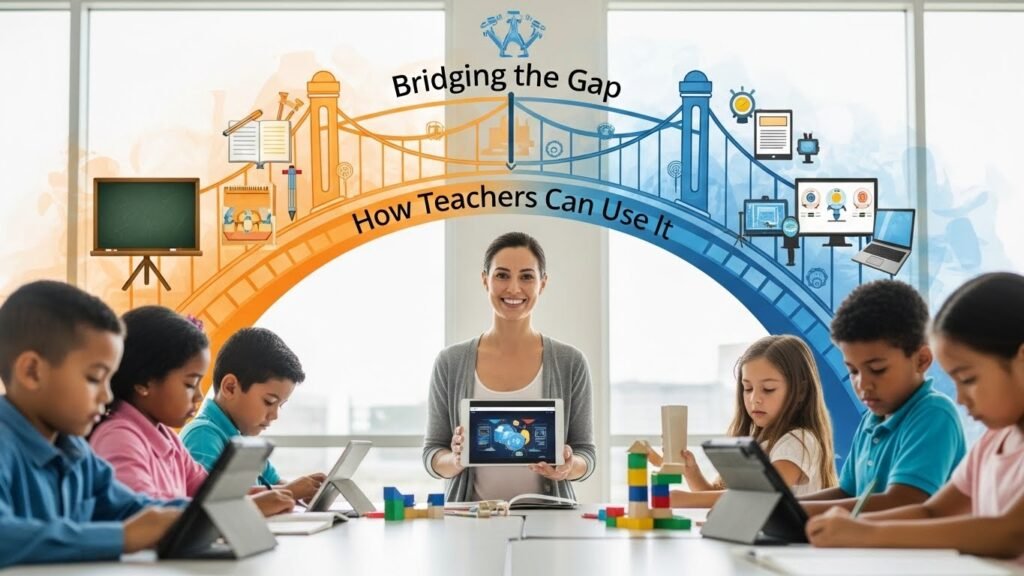
There is often a stigma attached to games in the classroom. Skeptics view them as distractions. However, forward-thinking educators view Classroom 15x as a tool for “micro-breaks” or supplemental learning.
The Brain Break Strategy
The human brain, especially in adolescents, cannot maintain high-intensity focus for hours on end. The Pomodoro technique and similar time-management strategies suggest that short breaks actually improve overall productivity. Allowing students five minutes on an interactive platform can reset their cognitive load, making them more ready to absorb the next lesson.
Reward Systems
Digital learning tools serve as excellent incentives. Teachers can set goals for the class—such as completing a difficult reading assignment or finishing a lab report—with the reward being supervised time on the platform. This leverages extrinsic motivation to build positive classroom habits.
Flexibility in Modern Classroom Solutions
The “Flexibility” in our title isn’t just about software; it’s about the pedagogy. The modern classroom is no longer a one-size-fits-all environment. We are seeing a shift toward personalized learning, where students move at their own pace.
Classroom 15x supports this by offering self-directed activities. A student who finishes a test early doesn’t have to sit and stare at the wall; they can engage with a logic puzzle that keeps their brain active. This autonomy empowers students to manage their own downtime effectively.
Furthermore, this flexibility extends to remote learning. During the shift to virtual classrooms, accessible, browser-based tools became lifelines. They require no high-end hardware—just a basic internet connection. This democratizes access to interactive content, ensuring that students with older Chromebooks or tablets are not left behind.
Addressing Safety and Content Moderation
With any open platform, safety is a priority. Parents and administrators validly ask: Is the content appropriate?
Generally, platforms categorized under this umbrella curate their content to be safe for school and work environments. You won’t typically find graphic violence or inappropriate themes. However, digital literacy involves teaching students how to navigate these spaces responsibly.
Educators should always preview the specific iteration of the site they intend to use. Because “Classroom 15x” can refer to various mirrors or Google Sites created by different developers, a quick audit ensures the specific link aligns with school policies.
Enhancing Student Engagement Through Autonomy
One of the biggest challenges in secondary education is student apathy. When students feel they have no control over their environment, they disengage.
By integrating tools that offer choice, we hand some power back to the learner. Allowing a student to choose between a Sudoku challenge or a physics-based construction game on Classroom 15x might seem trivial, but it exercises their decision-making muscles. It signals that the classroom is a place where their preferences matter.
This autonomy leads to higher student engagement across the board. When students feel respected and trusted to manage their digital interactions, the rapport between teacher and student improves.
The Future of EdTech and “15x” Models

We are likely to see more platforms adopting the philosophy behind Classroom 15x. The future of EdTech is lightweight, browser-based, and interoperable. The heavy, expensive software suites of the 2010s are giving way to agile, web-based solutions that work on any device.
We may also see the “15x” concept evolve into AI-driven experiences, where the games adapt in real-time to the student’s proficiency level. Imagine a logic puzzle that gets harder as you get smarter, or a vocabulary game that introduces words relevant to the history lesson you just sat through. The potential for integration is limitless.
Frequently Asked Questions (FAQs)
Here are answers to common questions regarding this platform and its place in education.
What is Classroom 15x?
Classroom 15x is an online platform primarily known for hosting unblocked educational games and tools optimized for school and office networks. It provides a way for students to access interactive content without the restrictions typically placed on gaming websites by school firewalls.
How does Classroom 15x enhance learning?
It enhances learning by providing “brain breaks” that help reduce cognitive fatigue. Additionally, many of the activities available are logic-based or skill-based, helping to sharpen critical thinking, problem-solving abilities, and reaction times in an engaging, low-stress environment.
Is Classroom 15x suitable for all age groups?
Generally, yes. The content is usually curated to be appropriate for K-12 environments. However, the complexity of the games and puzzles is often best suited for middle school and high school students (ages 10-18). Parents and teachers should always supervise younger children to ensure the specific games chosen are age-appropriate.
Is the platform free to use?
Yes, the platform is typically free and does not require a subscription or login. It is supported by the community or minimal non-intrusive ads, making it accessible to schools with limited budgets.
Can teachers control what students access on the site?
Since it is a web-based platform, teachers cannot control the site’s internal menu. However, teachers can guide usage by instructing students to play specific educational genres or by using classroom monitoring software to ensure students stay on task during designated times.
Conclusion
The educational landscape is shifting beneath our feet. As we move further into the digital age, the tools we use to teach and learn must evolve. Classroom 15x is more than just a website for unblocked games; it is a symptom of a larger desire for flexibility and fun in education.
By embracing these modern classroom solutions, we acknowledge that learning doesn’t always look like a textbook. Sometimes, it looks like a logic puzzle solved in a browser window. Sometimes, it looks like a student decompressing after a stressful exam.
For educators, parents, and students alike, the key is balance. Integrating these tools responsibly can lead to higher morale, better focus, and a classroom culture that values both hard work and necessary play. As we look to the future, platforms that prioritize accessibility and engagement will continue to lead the charge in redefining what a classroom can be.
If you haven’t explored the platform yet, take a moment to look. You might just find the perfect tool to re-energize your learning environment.