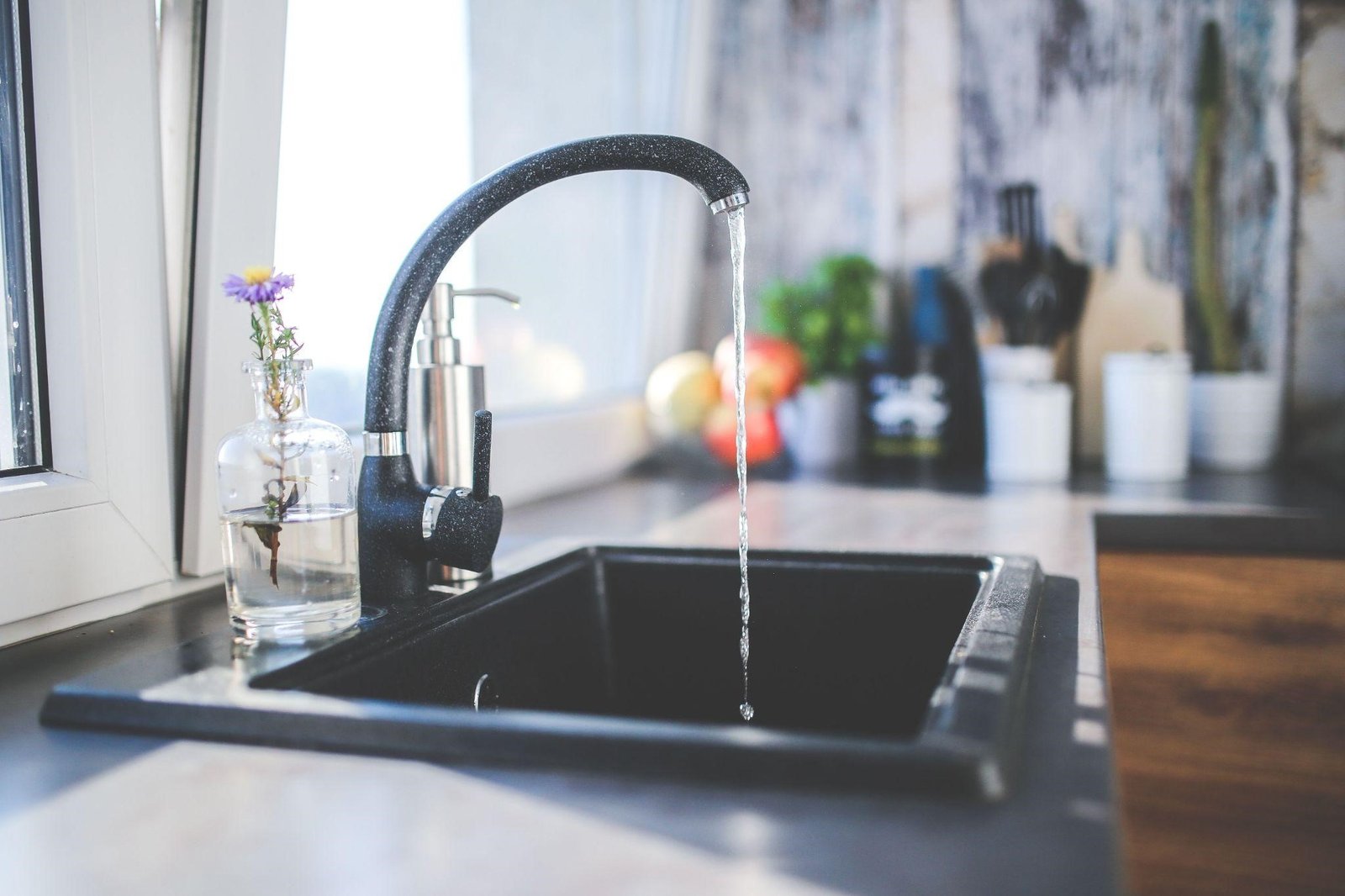
That persistent, rhythmic drip from the kitchen or bathroom sink is a classic household annoyance. Beyond the irritating sound, a leaking tap can waste an incredible amount of water over time, quietly driving up your utility bills. In many traditional fixtures, a worn-out tap washer is the sole culprit behind the issue. This tiny disc is responsible for creating a watertight seal when you turn the handle off, but years of friction and pressure eventually take a toll.
While swapping out a washer is one of the most common weekend DIY jobs across Australia, it isn’t always a guaranteed fix. Understanding the difference between a simple part replacement and a deeper mechanical problem can save you a lot of time and unnecessary frustration.
How a Traditional Tap Works
To understand why a tap leaks, it helps to know what is happening inside the assembly. Traditional jumper valve taps rely on a moving spindle that winds down when you turn the handle. At the base of this spindle sits the jumper valve, which holds the rubber or fibre washer. When you turn the tap off, the spindle presses this washer firmly against a brass opening called the tap seat. This action blocks the flow of water completely.
Because this rubber component bears the brunt of the pressure every single time the tap is closed, it naturally flattens, cracks, or tears over time. When the seal degrades, water manages to seep through, resulting in that steady drip from the spout.
When to Attempt a DIY Washer Replacement
If you are handy around the home and have a few basic tools, changing a washer is a manageable task. It is generally worth trying if the tap has only just started to drip and the handles still turn smoothly. Before you begin, you must turn off the main water supply at your property meter and open the tap to drain any remaining water from the lines.
The process involves removing the handle button, unscrewing the protective skirt or cover, and using a shifting spanner to undo the brass spindle. Once the spindle is out, you can easily lift the old jumper valve and washer assembly from the body. Taking the old part to the local plumbing supply store ensures you purchase the exact matching size, as domestic taps generally use either a 13mm or 15mm variety.
The Telltale Signs You Need a Professional
Sometimes, simply dropping a fresh piece of rubber into the assembly will not solve the problem. There are several clear scenarios where the job requires the tools and expertise of a licensed plumber.
The Leak Continues After the Fix
If you have carefully installed a brand-new washer, tightened the assembly, and turned the water back on only to find the drip is still there, the tap seat is likely damaged. Over time, the brass seat can become corroded or deeply scratched by mineral deposits. When this happens, a new rubber disc cannot form a perfect seal against the rough metal.
A professional plumber uses a specialised tool called a tap reseating machine to precision-grind the brass seat back to a perfectly flat, smooth finish. Attempting to do this without the proper gear can permanently ruin the entire tap body.
You Have Modern Mixer Taps
If your home features modern lever-style mixer taps, you will not find a traditional rubber washer inside them. These contemporary fixtures control the blend of hot and cold water using internal cartridges fitted with highly polished ceramic discs.
Ceramic cartridges are incredibly durable, but when they finally wear out or become blocked by fine sediment in the water lines, the entire internal cartridge needs to be replaced. Sourcing and installing the correct proprietary cartridge for your specific tap brand can be incredibly complex, making it a task best left to an expert.
Water is Leaking from the Handle
When water oozes out from around the handle or the protective skirt rather than dripping from the spout, the issue lies higher up on the spindle. This usually indicates that the O-ring or the internal valve packing has perished.
While these seals can sometimes be replaced, a worn spindle thread can also cause water to bypass the upper seals entirely. A professional can quickly assess whether the spindle can be serviced or if the entire assembly has reached the end of its functional lifespan.
The Risks of Getting it Wrong
While plumbing can look straightforward on the surface, amateur mistakes can lead to major household headaches. Over-tightening a tap handle during reassembly can split a new washer instantly or strip the delicate brass threads inside the wall. Even worse, failing to seal the protective covers correctly can allow water to slowly leak behind the wall tiling every time the tap is turned on. This hidden moisture can quietly rot structural timber frames and encourage mould growth long before you notice a damp spot on the plasterboard.
Plumbing regulations across Australia are strict for a reason. Engaging a licensed professional gives you absolute peace of mind that the work complies with local standards and protects your home insurance policy.
Experienced plumbers carry a wide range of specialised components, commercial-grade lubricants, and diagnostic tools to ensure the repair lasts for years, rather than just weeks. Taking care of a leak early keeps your home running efficiently and keeps your water bills exactly where they should be.