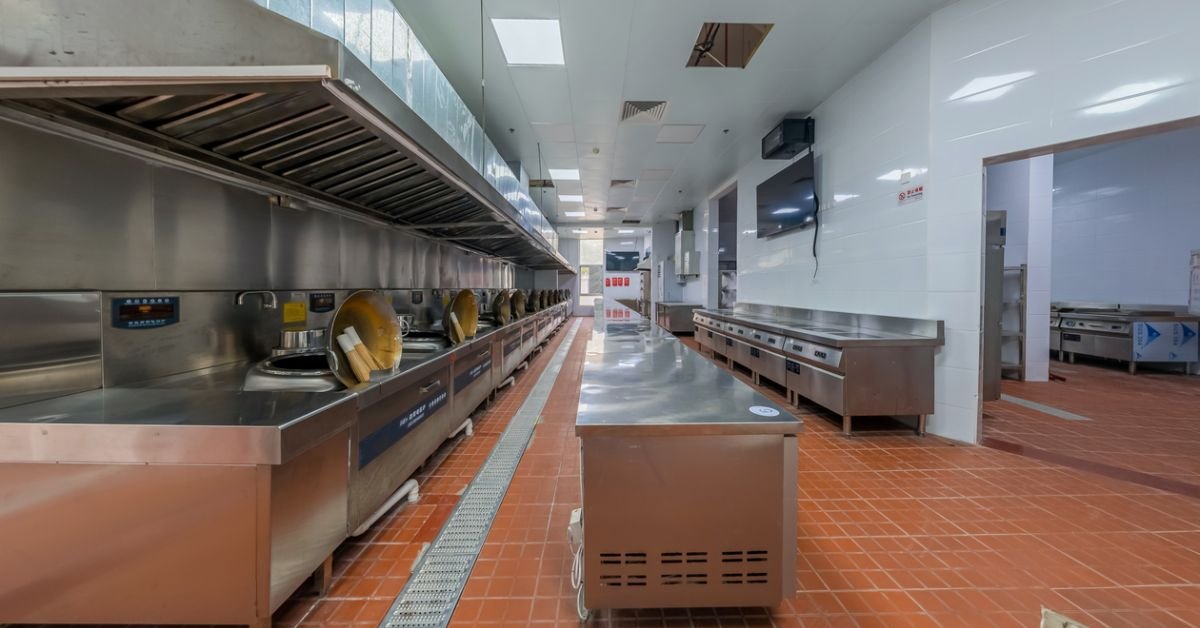
If you walk into a commercial kitchen, you’ll see a lot of things happening at once. Oil splashes near the cooktop, trays are moving in and out, someone’s mopping up a spill before it spreads, and foot traffic just keeps rolling through like clockwork. The floor doesn’t get a break, not even for a second.
Most people tend to think HACCP is all about food handling, temperature checks, and hygiene routines. Fair enough too. But what often gets overlooked is the surface everything happens on. This makes commercial kitchen epoxy flooring such a non-negotiable.
What HACCP Compliance Actually Means in a Kitchen Setting
HACCP is really about one main idea, and that’s to stop contamination before it even has a chance to start. It’s a system built around prevention rather than cleaning up problems after they appear.
In a kitchen setting, that means keeping surfaces, equipment, and workflows as clean and controlled as possible so risks don’t build up over time. Common concerns usually include bacteria growth, cross-contamination, moisture sitting in the wrong places, and surfaces that are hard to keep properly clean. Here are some core principles behind it:
- Preventing contamination at surface level
- Maintaining hygienic cleaning routines
- Reducing microbial growth risks
Once those ideas are in place, everything in the kitchen has to support them, including the flooring. Because if the base layer isn’t up to scratch, things can get messy pretty quickly, especially in high-pressure environments where spills are part of the daily rhythm.
Why Traditional Kitchen Flooring Often Falls Short
Tiles, older coatings, or untreated concrete might look fine at first glance, but they tend to develop small issues over time. Grout lines start holding onto residue, tiny cracks appear, and porous areas begin to soak in moisture and food particles without much resistance.
Once surfaces start trapping moisture or residue, cleaning becomes more of a chore than it should be. Instead of a quick rinse or mop, it turns into scrubbing in awkward corners and hoping nothing’s been missed. In a kitchen environment where time is always tight, that’s not ideal.
How Epoxy Flooring Supports HACCP Principles
Epoxy flooring forms a continuous, sealed surface with no gaps for contaminants to settle into. That alone makes a big difference in keeping hygiene routines consistent and manageable. Let’s break it down through these benefits:
- Seamless surface with no grout lines
- Resistance to moisture absorption
- Easy washdown compatibility
- Reduced risk of food particle retention
What this really means in practice is simple. Dirt, moisture, and bacteria don’t get hidden away in cracks or joints. Everything stays on the surface where it can be cleaned properly and efficiently. That doesn’t take away the need for good hygiene practices, of course. It just makes those routines far easier to maintain day in, day out.
Real Kitchen Conditions Where Epoxy Flooring Proves Its Value
Things move fast in a kitchen environment. During service, there’s barely a moment where the floor isn’t dealing with something, whether it’s spills, splashes, or constant movement. Here are a few common conditions where epoxy flooring truly helps:
- Constant oil and food spill exposure
- Frequent high-pressure cleaning routines
- Heavy foot traffic during service hours
In these situations, the flooring needs to keep up without slowing anything down. Epoxy helps by making cleaning more straightforward and reducing the chance of residue sticking around. So even when things get a bit hectic, the hygiene side of things stays more under control.
Maintenance Benefits That Support Daily Compliance
Epoxy flooring simplifies everyday cleaning. Spills tend to sit on the surface instead of soaking in, so they can usually be dealt with quickly. There’s less need for heavy scrubbing or going over the same spot repeatedly. As time passes, that makes a noticeable difference, especially in kitchens where cleaning happens multiple times a day.
Conclusion: Why Flooring Choice Impacts Food Safety
HACCP compliance isn’t just about procedures written on paper. It also depends on the environment those procedures are carried out in. Every surface plays a part, whether obvious or not.
Epoxy flooring supports that system by providing a surface that stays consistent, easy to clean, and resistant to contamination risks. That consistency makes daily compliance far more manageable in the long run.