Contractor-led home projects can make a property more functional, attractive, and comfortable, but they also create debris that homeowners need to plan for. Even relatively small remodels can generate old flooring, drywall, cabinets, trim, packaging, and other materials that quickly take up space.
A simple cleanup strategy helps keep the work area organized while allowing contractors to stay focused on the project itself. Homeowners do not need a complicated system, but a few basic steps can make cleanup easier from demolition through final installation.
Clear the Work Area Before Construction
Before contractors arrive, remove furniture, decorations, storage items, and anything else that does not need to remain in the room.
This gives crews more room to work and protects personal belongings from dust or accidental damage. It also makes it easier to identify materials that will be removed during the project.
If nearby hallways or rooms will be used for access, clearing those areas can also help contractors move tools, materials, and debris more efficiently.
Create One Debris Collection Area
Cleanup becomes harder when waste is scattered throughout the property. Homeowners can simplify the process by establishing one central place for construction debris.
This area might be part of the driveway, garage, or another accessible location near the work zone. Contractors can move materials there as they are removed instead of creating separate piles in multiple rooms.
For projects that generate more waste than regular household bins can handle, a provider such as Temporary Dumpster can offer a centralized disposal option that keeps debris contained throughout the remodel.
Remove Waste in Stages
Waiting until the end of the project to handle debris often creates unnecessary clutter. A better approach is to clean up after each major phase.
Old flooring can be removed before new flooring arrives. Cabinets and fixtures can be cleared before replacement items are installed. Drywall scraps and packaging can be taken out as soon as they are no longer needed.
Stage-by-stage cleanup keeps the work area open and reduces the amount of debris that needs to be moved more than once.
Keep New Materials Separate
Replacement materials should have their own clean staging area away from debris. Flooring, cabinets, trim, fixtures, and hardware can be damaged if they are stored next to discarded materials.
Keeping new products separate also prevents confusion during busy project phases. Contractors can find what they need more easily, and homeowners are less likely to see usable materials accidentally mixed with waste.
Packaging should be broken down soon after items are unpacked so cardboard and plastic do not take over valuable workspace.
Protect Floors and Pathways
Contractors may need to carry bulky debris through finished parts of the home. Protecting these areas helps reduce scratches, dirt, and other damage.
Floor runners, drop cloths, or protective coverings can be placed along common removal routes. Hallways and doorways should also remain free from furniture, boxes, and other obstacles.
A clear debris path improves both safety and efficiency, especially when large materials are being carried out of the home.
Separate Reusable Materials
Some removed materials may still have value. Cabinets, doors, hardware, shelving, fixtures, or unused building materials may be suitable for donation, resale, or use in another project.
These items should be set aside before they become mixed with general construction debris. Homeowners should make decisions early so reusable materials do not become another long-term storage problem.
Items that are broken, unsafe, or unlikely to be reused should be included in the regular cleanup plan.
Stay Ahead of Small Debris
Large materials get most of the attention, but small debris can create just as many problems. Screws, nails, wood fragments, tile pieces, drywall dust, and packaging can collect around work areas quickly.
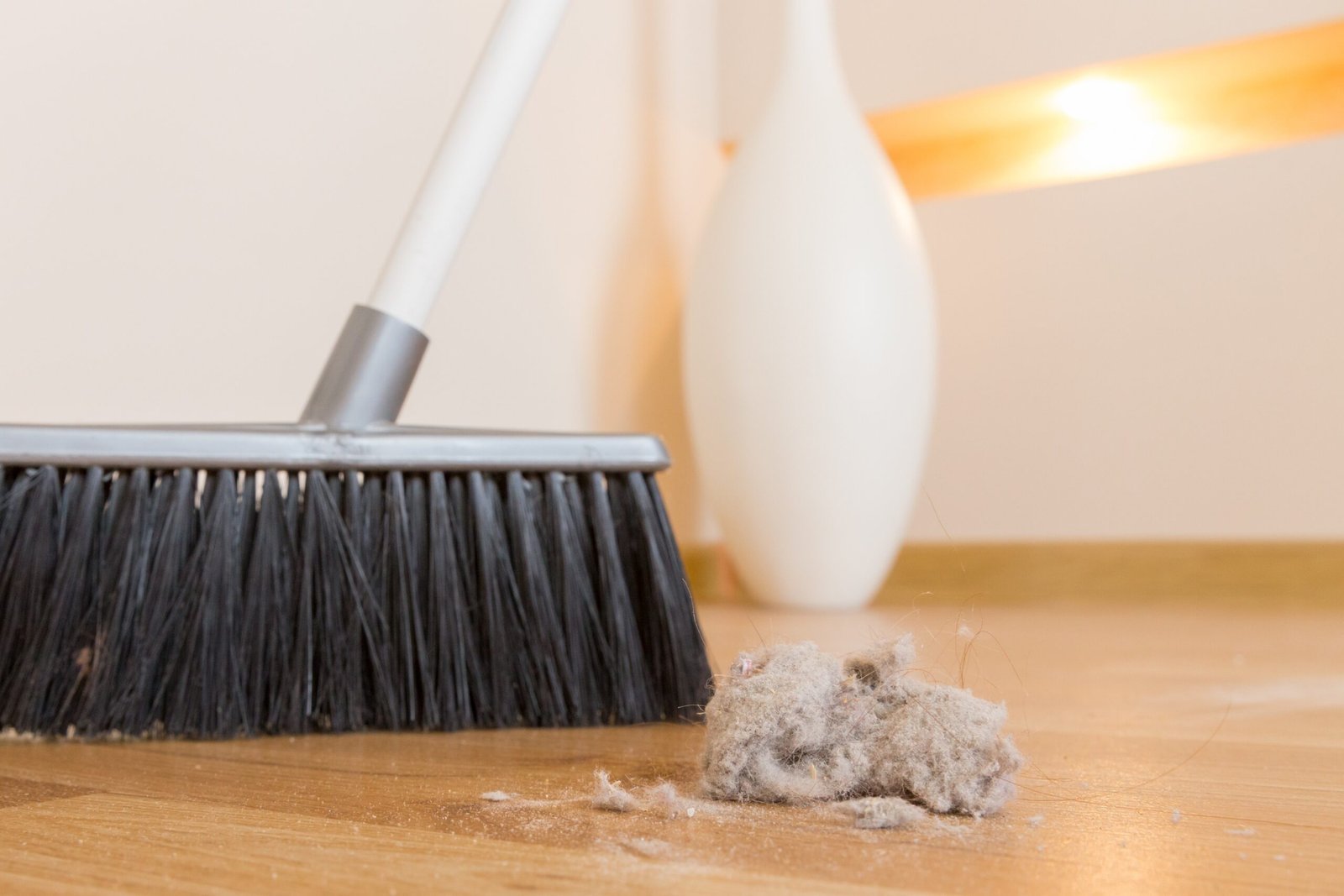
Regular sweeping or vacuuming helps maintain safer pathways and gives contractors a cleaner place to work. Small cleanup sessions at the end of each day can prevent these materials from building up.
This is especially helpful when homeowners continue living in the property during construction.
Complete a Final Walkthrough
After the project is finished, inspect the work area and nearby spaces for leftover debris. Check corners, closets, hallways, vents, and staging areas for small pieces or packaging.
A final sweep ensures the room is ready for normal use and helps confirm that tools, supplies, and discarded materials have all been removed.
Simple cleanup methods can make contractor-led home projects easier to manage. Clearing the area before work starts, using one debris collection point, removing waste in stages, and protecting pathways all help keep the property organized.
When cleanup is treated as part of the project instead of a final chore, contractors can work more efficiently and homeowners can enjoy a smoother remodeling experience.