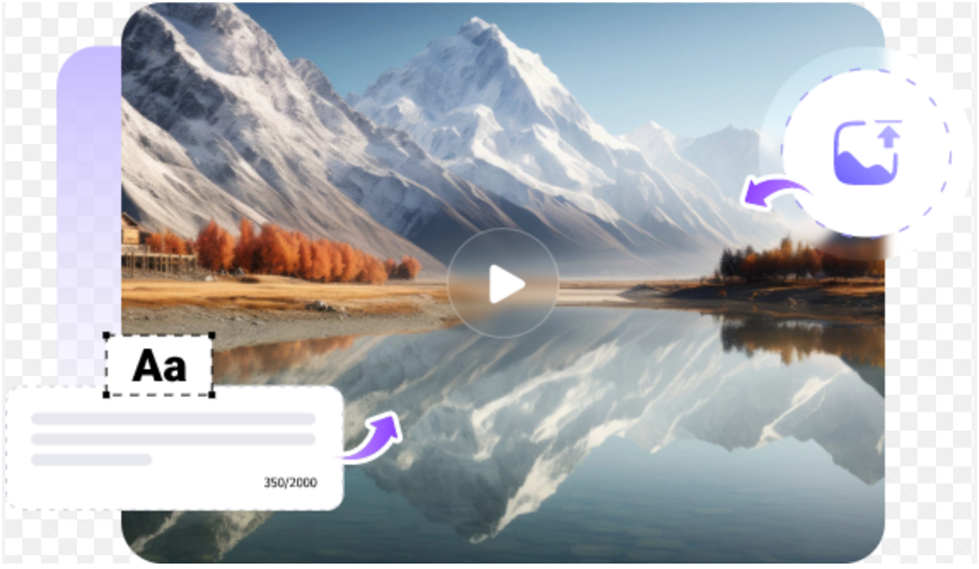
Creating eye-catching visual content no longer requires advanced design skills or expensive software. Artificial intelligence has made it easier to turn simple ideas into detailed images, enhance creative concepts, and even transform static photos into short videos. Whether you are a content creator, marketer, blogger, or social media user, AI-powered visual tools can save time while opening up new creative possibilities.
What Is an AI Image Generator?
An AI image generator is a tool that uses artificial intelligence to create images based on written descriptions. Instead of manually designing every element, users can describe what they want, and the system generates a visual interpretation of the prompt.
For example, a user might enter a description such as “a futuristic city at sunset with flying cars,” and the tool can produce an original image based on those instructions. This makes AI image generation useful for social media graphics, blog illustrations, marketing campaigns, presentations, and creative projects.
Modern tools can create different visual styles, including realistic photography, digital artwork, illustrations, fantasy scenes, and product-style images. Users can often experiment with different prompts to achieve a result that matches their requirements.
Benefits of Using an AI Image Generator Free
One of the biggest advantages of an AI image generator free option is accessibility. Beginners can explore AI-powered creativity without immediately investing in expensive design software or professional services.
Free tools can be useful for creating social media content, testing design ideas, generating concept images, and producing visuals for personal projects. They also allow users to experiment with different prompts and styles before deciding whether they need more advanced features.
Another advantage is speed. Traditional image creation may require considerable time, especially when a project involves multiple revisions. AI tools can generate visual concepts within a short period, allowing creators to focus more on selecting and refining their ideas.
However, free versions may have limitations such as daily generation limits, fewer customization options, watermarks, or restricted access to premium features. Users should therefore check the available features before choosing a particular platform.
How to Get Better Results
The quality of an AI-generated image often depends on the instructions provided. Instead of using a very short prompt, describe the subject, setting, lighting, style, composition, and mood.
For example, rather than simply writing “a dog,” you could describe “a golden retriever sitting in a sunny garden, realistic photography style, soft natural lighting, detailed background.” Specific instructions give the AI more information about the desired result.
It is also helpful to experiment with different prompts. Small changes in wording can produce significantly different results, so generating multiple versions can help you find the most suitable image.
Turning Images Into Videos
Static images can also become engaging video content with AI-powered animation tools. An AI photo to video free tool can take an existing image and create movement, transitions, or camera effects. This can be particularly useful for social media creators who want to turn photographs into short clips without learning complex video-editing software.
For example, a landscape photograph could be animated with a gradual camera movement, while a portrait could receive subtle motion effects. These videos can then be used for platforms such as short-form social media, presentations, promotional campaigns, or personal projects.
The ability to create video from a single image is especially useful when original video footage is unavailable. Instead of recording new material for every post, creators can reuse existing images and transform them into fresh visual content.
Choosing the Right AI Tool
When selecting an AI image or video tool, consider more than just the generation feature. Check whether the platform offers suitable image quality, customization options, export formats, usage limits, and commercial-use permissions.
For beginners, an easy interface and free access may be the most important factors. More experienced creators may prefer tools that provide greater control over styles, motion, resolution, and editing.
Final Thoughts
AI has changed how people approach digital content creation. An AI image generator can turn simple text descriptions into creative visuals, while an AI photo to video free solution can add movement to otherwise static images. Together, these technologies make visual creation faster and more accessible.
Whether you need images for a blog, social media campaign, advertisement, or personal project, experimenting with AI-powered tools can help you develop ideas quickly. By writing detailed prompts, testing different results, and choosing tools according to your needs, you can make the most of modern AI-assisted content creation.
1 thought on “AI Image Generators and Free Photo-to-Video Tools for Creative Projects”